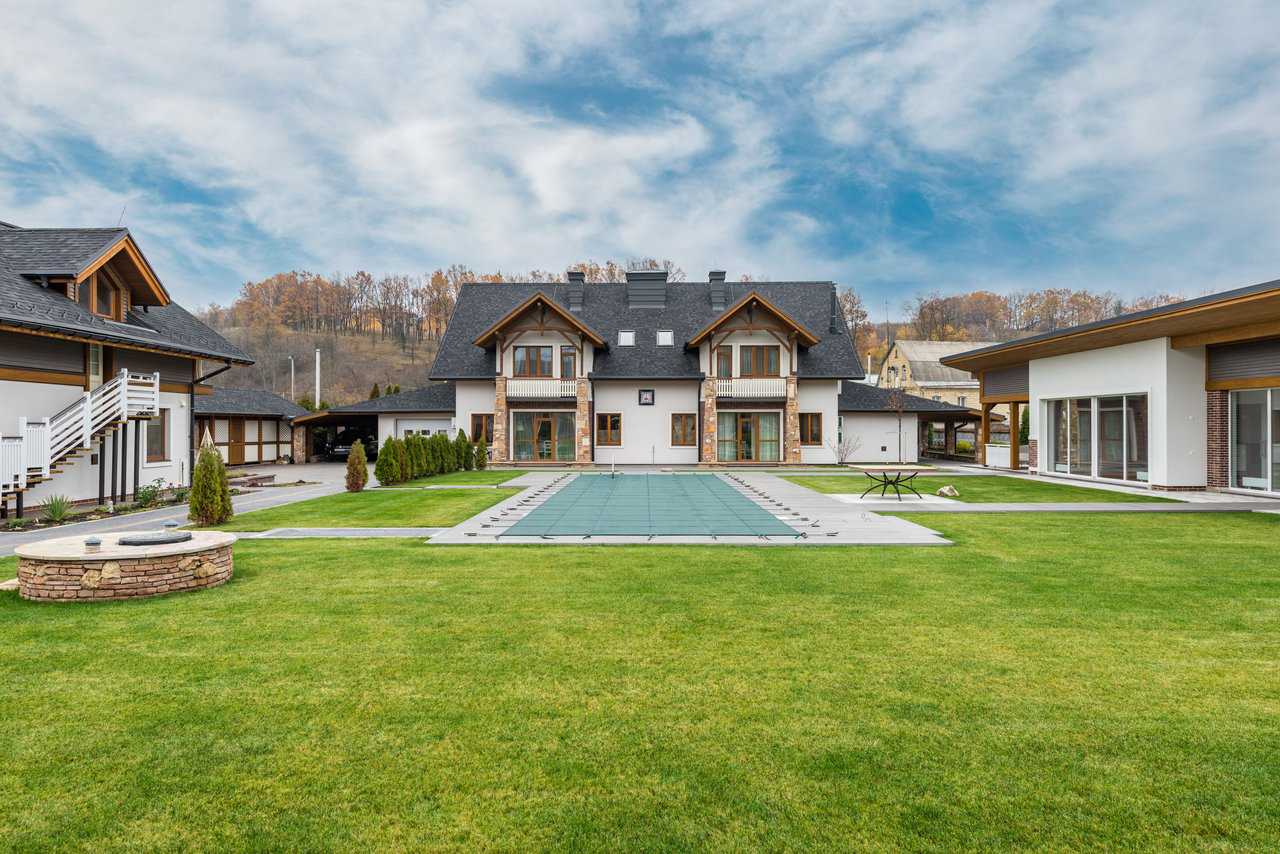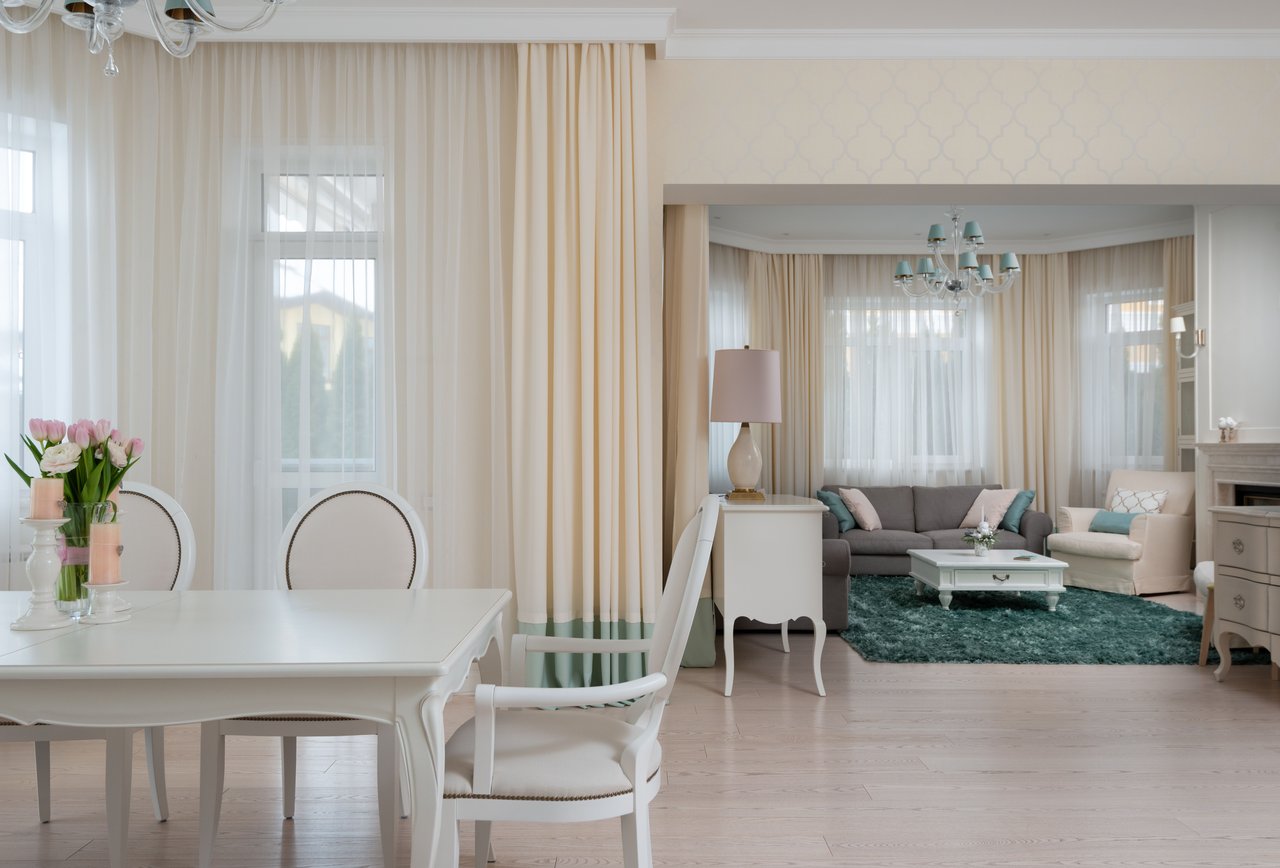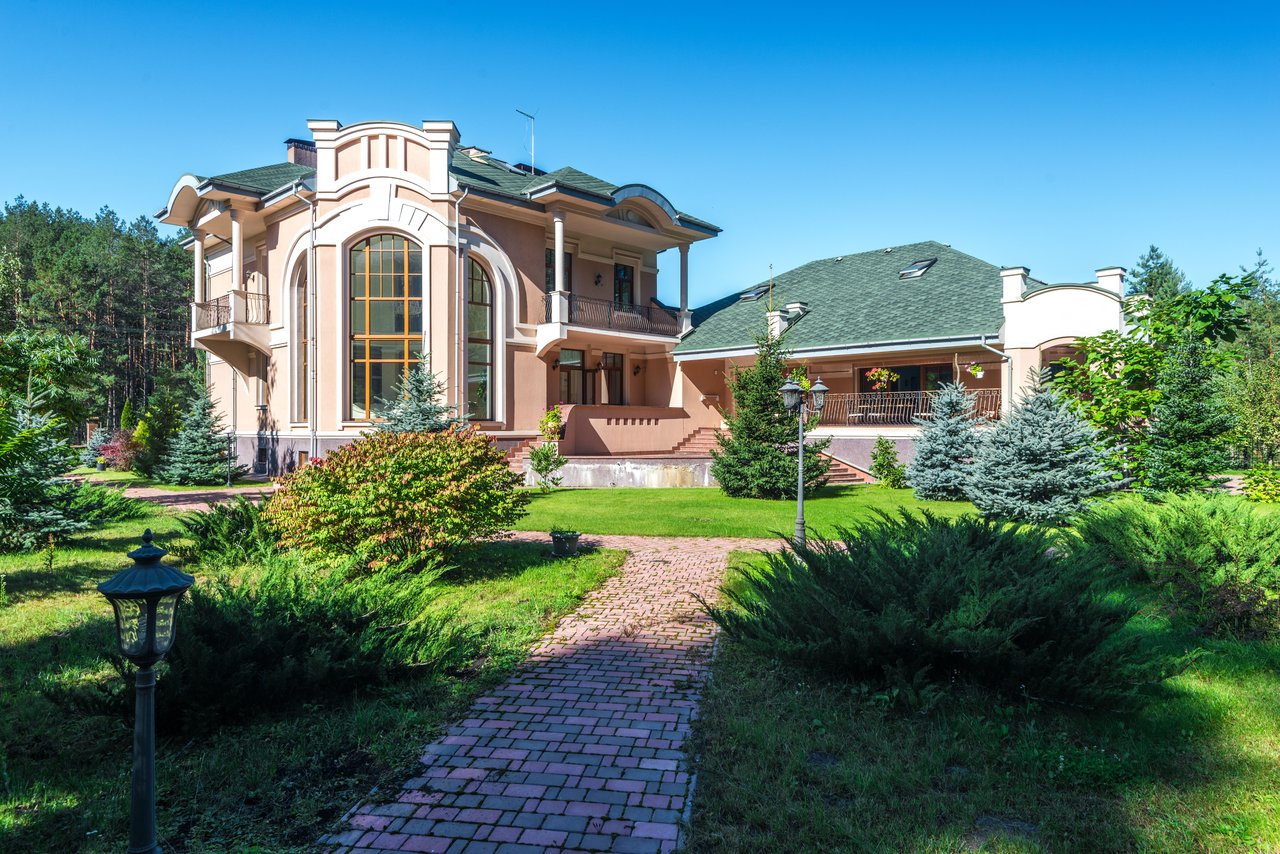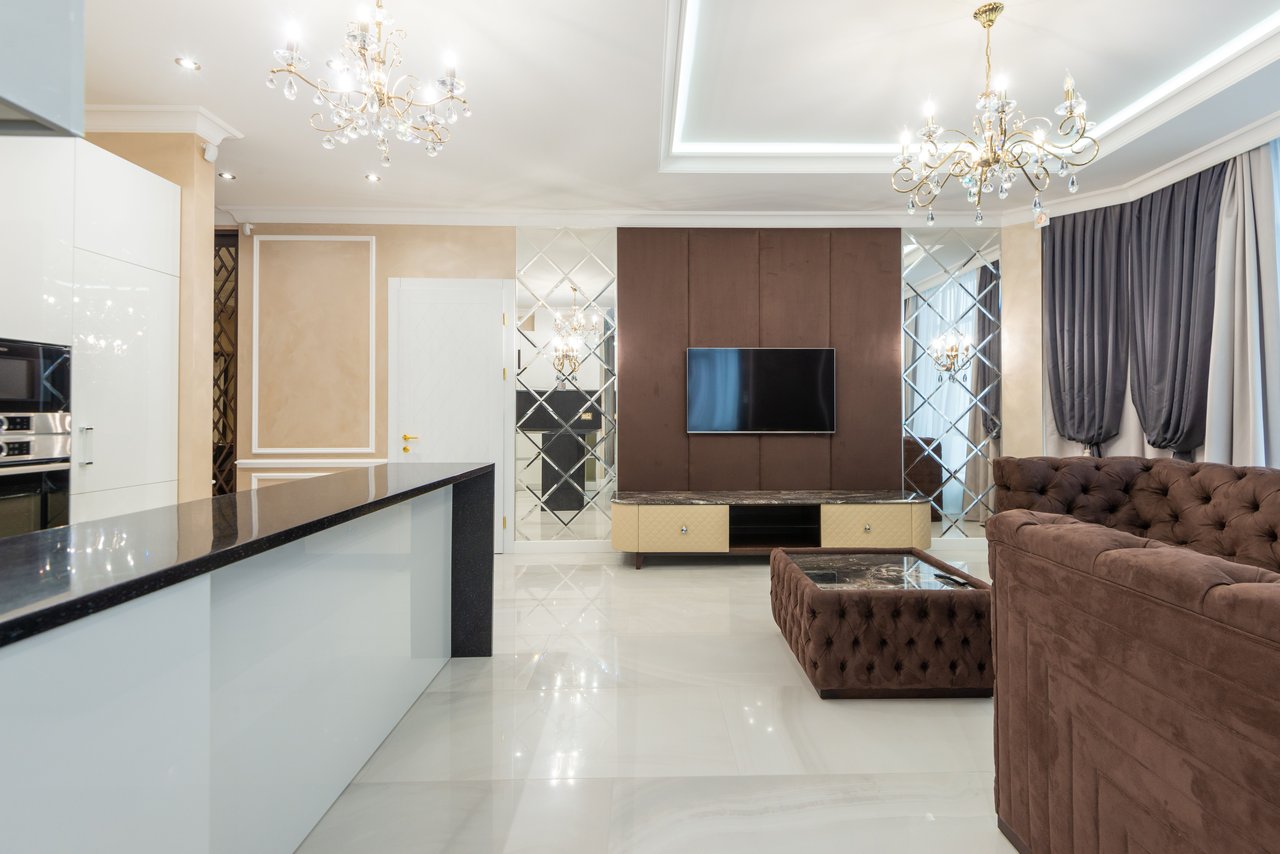
The most desirable luxury home features go beyond expensive finishes and impressive square footage. A property's value also depends on its location, architectural quality, functional design, condition, and how well its amenities meet buyer expectations. A beautiful kitchen may attract attention, but thoughtful construction and a practical floor plan can be equally important.
In California's East Bay, luxury properties in Danville, Alamo, Blackhawk, Diablo, Lafayette, and Walnut Creek offer diverse architectural styles and residential settings. Understanding which features contribute to desirability helps buyers compare homes and sellers make informed improvement decisions.
This guide explores ten features of a luxury home, explains how they influence buyer appeal and potential resale value, and provides practical recommendations for evaluating or preparing high-end properties. The goal is to distinguish lasting quality from costly upgrades that may not deliver equivalent market value.
What Makes a Home Truly Luxurious?
Luxury Is About Quality, Design, and Experience
Luxury real estate is defined by more than price. Thoughtful architecture, superior craftsmanship, comfortable proportions, functional layouts, and carefully selected materials can create a distinctive ownership experience.
High-end finishes contribute to visual appeal, but the quality of the underlying construction and major building systems remains essential.
Why Location Matters in Luxury Real Estate
A property's setting influences accessibility, privacy, views, and proximity to amenities. Lot orientation, surrounding development, road exposure, and usable outdoor space can create meaningful differences between otherwise similar residences.
Luxury Features vs Luxury Home Value
An attractive amenity does not automatically increase a property's market value by its original cost. Market value reflects what buyers are willing to pay under prevailing conditions, while personal preferences may differ considerably.
Appraisers and real estate professionals evaluate features using relevant comparable sales rather than simply adding the cost of every improvement.
10 Luxury Home Features Buyers Look For
The following luxury home features buyers want represent common considerations in high-end residential real estate. Their relative importance depends on the property, location, market conditions, and individual preferences.
1. Prime Location and Desirable Property Setting
Location is one of the most influential characteristics of luxury property. Buyers may consider privacy, accessibility, scenic outlooks, nearby amenities, road exposure, and the relationship between the home and its surroundings.
A well-positioned residence can offer advantages that are difficult to reproduce through renovation. However, buyers should evaluate actual site conditions rather than relying exclusively on neighborhood reputation.
2. Exceptional Architecture and Construction Quality
Custom architecture, cohesive design, quality building materials, and skilled craftsmanship can distinguish a high-end residence. Structural integrity and careful detailing are often more meaningful than decorative upgrades alone.
Buyers should investigate construction methods, renovation records, and major systems. A visually impressive property may still require repairs that affect its overall value.
3. Spacious and Functional Floor Plans
Luxury buyers often appreciate comfortable room proportions, natural circulation, generous storage, and flexible living arrangements. An effective layout can make a home feel more usable without requiring additional square footage.
Consider the relationship between entertaining spaces, kitchens, bedrooms, offices, and outdoor areas. Excessive corridors or poorly connected rooms may reduce functionality despite a large floor plan.
4. High-End Kitchens and Premium Appliances
A well-designed kitchen combines quality cabinetry, durable countertops, appropriate lighting, useful storage, and efficient circulation. Premium appliances may support the overall experience when they suit the kitchen's layout and intended use.
Buyers should assess appliance condition, ventilation, cabinet construction, and maintenance requirements rather than focusing solely on brand names.
5. Luxurious Primary Suites and Spa-Inspired Bathrooms
A thoughtfully designed primary suite may include comfortable sleeping space, organized closets, natural light, and a well-appointed bathroom. Quality fixtures, practical storage, and effective lighting contribute to everyday comfort.
Expensive stone or highly customized finishes do not necessarily translate into equivalent resale value. Condition and usability remain important.
6. Outdoor Living and Entertainment Spaces
Patios, landscaped gardens, covered terraces, outdoor kitchens, pools, and seating areas can expand a home's functional living environment. Indoor-outdoor connections may be particularly appealing in East Bay properties with suitable layouts and settings.
Evaluate drainage, irrigation, pool equipment, landscaping, and the condition of outdoor structures. Attractive amenities may also create substantial maintenance obligations.
7. Smart Home Technology and Security Features
Modern luxury home features may include integrated lighting, climate controls, automated window treatments, security systems, and managed access.
Reliability and ease of use matter more than the number of connected devices. Buyers should confirm whether systems are supported, transferable, properly installed, and compatible with current technology.
8. Energy Efficiency and Sustainable Design
Efficient heating and cooling systems, insulation, quality windows, solar installations, and water-conscious landscaping may improve comfort and help manage operating expenses.
Request documentation for equipment age, warranties, energy improvements, and solar ownership or lease arrangements. Efficiency can be valuable without guaranteeing a particular resale premium.
9. Privacy, Views, and Distinctive Property Amenities
Privacy may result from thoughtful landscaping, parcel configuration, setbacks, or the placement of outdoor living areas. Scenic views and gated access can also contribute to a property's appeal where applicable.
Buyers should investigate easements, neighboring sightlines, access arrangements, and restrictions that could affect the property's use or setting.
10. Flexible Lifestyle Spaces and Custom Amenities
Home offices, fitness rooms, guest suites, media rooms, wine storage, and multipurpose areas can increase a residence's practical versatility.
Flexible spaces may serve a wider range of needs than highly specialized installations. Buyers should verify permits and evaluate whether custom amenities can be adapted without extensive renovation.
Which Luxury Home Features Add the Most Value?
Features That Support Broad Buyer Appeal
Functional layouts, quality construction, attractive kitchens, and well-maintained outdoor areas may appeal to buyers with different preferences. Their financial contribution still depends on local comparable sales.
Features That Improve Everyday Functionality
Practical storage, efficient systems, useful workspaces, and comfortable circulation can make a property easier to live in. These improvements may be less visually dramatic than decorative upgrades but deserve careful consideration.
Features That May Require Significant Maintenance
Pools, extensive landscaping, elaborate automation, and specialized recreation facilities may create recurring expenses. Buyers should consider operating costs alongside enjoyment and potential market appeal.
Features With Highly Variable Resale Returns
Personalized entertainment installations, unusual room conversions, and highly specialized finishes may appeal strongly to some buyers while offering limited value to others.
Luxury Feature | Potential Buyer Appeal | Value Considerations | Maintenance Considerations |
|---|---|---|---|
Prime location | Accessibility, setting, views | Comparable location premiums | Site-specific upkeep |
Quality construction | Durability and craftsmanship | Condition and comparable quality | Materials and repair needs |
Functional layout | Comfort and versatility | Usable space and design | Generally limited special upkeep |
Premium kitchen | Convenience and design | Renovation quality and market fit | Appliances and finishes |
Outdoor amenities | Recreation and entertaining | Usability and buyer demand | Landscaping and equipment |
Smart technology | Control and convenience | Reliability and transferability | Software and hardware support |
Energy efficiency | Comfort and operating efficiency | Verified performance and ownership terms | Equipment servicing |
Flexible rooms | Adaptable living space | Functionality and legal use | Depends on installations |
Luxury Home Features That Matter in the East Bay Market
Luxury Home Features in Danville, CA
Luxury homes in Danville CA include properties with varied architecture, landscaped lots, and indoor-outdoor living opportunities. Buyers should evaluate layout, usable land, construction quality, and the condition of exterior amenities.
High-End Property Features in Alamo, CA
Alamo CA luxury homes may offer custom construction, substantial grounds, privacy-oriented landscaping, and outdoor entertainment spaces. Lot usability and maintenance responsibilities deserve attention.
Explore Alamo luxury properties and neighborhoods to understand the area's range of residential settings.
Luxury Amenities in Blackhawk, CA
Blackhawk luxury real estate includes distinctive homes in golf-oriented and gated residential settings. Depending on the property, buyers may evaluate views, outdoor living spaces, architectural finishes, and association requirements.
Proximity to a private club does not automatically establish membership privileges.
Luxury Property Considerations in Lafayette and Walnut Creek
Lafayette and Walnut Creek offer varied housing styles and property settings. Buyers should consider renovation quality, terrain, transportation access, and nearby amenities when comparing homes.
Similar property-specific considerations apply in Diablo, where distinctive parcels and custom residences can require individualized evaluation.
Modern Luxury Home Features vs Timeless Design
Contemporary Luxury Design Trends
Contemporary designs often emphasize natural light, flexible spaces, integrated technology, and indoor-outdoor connections. These characteristics can improve usability when thoughtfully incorporated.
Timeless Materials and Architectural Details
Quality woodwork, durable stone, balanced proportions, and cohesive architectural detailing may remain appealing beyond short-lived decorative trends.
Balancing Personal Style With Future Buyer Appeal
Homeowners should select finishes that support their own needs while considering whether major alterations could limit future flexibility.
Avoiding Overly Specialized Improvements
Highly customized rooms and elaborate installations can be expensive to reverse. Before undertaking major work, evaluate local comparable properties and the likely usefulness of the improvement.
How Luxury Home Features Influence Property Valuation
Comparing Similar Luxury Properties
Valuation begins with relevant transactions involving comparable locations, lot characteristics, construction quality, condition, and amenities.
Evaluating the Condition of Premium Features
A premium appliance package or elaborate outdoor installation may contribute less appeal when aging or poorly maintained. Documentation and inspections help establish actual condition.
Understanding Functional Obsolescence
Functional obsolescence occurs when a property's design or features reduce practical utility relative to current expectations. Examples may include awkward room arrangements or systems that are difficult to operate or maintain.
Why Unique Amenities Can Be Difficult to Value
Distinctive amenities may have few comparable transactions. Their original installation cost is not necessarily a reliable measure of market contribution.
The Role of a Comparative Market Analysis
A comparative market analysis examines relevant sales and property differences to develop an evidence-based value range. An appraisal provides a separate professional opinion under a defined scope of work.
For homeowners considering a sale, the Builder's Eye property assessment offers an approach that considers construction quality, property condition, and market positioning.
Which Luxury Home Upgrades Should Sellers Prioritize?
Address Maintenance and Repair Issues First
Start with roof concerns, plumbing problems, mechanical systems, water intrusion, and other material defects. Qualified inspections can help identify priorities.
Improve Presentation and Curb Appeal
Clean landscaping, refreshed paint, effective lighting, and uncluttered interiors can improve the property's presentation without requiring major remodeling.
Evaluate Kitchen and Bathroom Improvements
Consider whether selective updates would improve functionality or address dated finishes. Complete renovations should be evaluated against costs and relevant comparable properties.
Enhance Lighting and Functional Spaces
Improved lighting, storage, and furniture placement can help communicate how rooms are used. Small changes may be more appropriate than extensive reconstruction.
Avoid Overinvesting Without Market Research
Before committing to costly improvements, consult a local real estate professional and obtain contractor estimates. A renovation should not be justified by an assumed dollar-for-dollar return.
How Buyers Can Evaluate Luxury Home Features During Property Tours
Inspect Construction Quality and Materials
Look beyond decorative finishes. Ask about construction methods, permits, maintenance history, and visible signs of wear or moisture.
Evaluate Layout and Functionality
Walk through daily-use routes between bedrooms, kitchens, living areas, and outdoor spaces. Consider storage, accessibility, and future adaptability.
Review Major Property Systems
Investigate heating, cooling, electrical, plumbing, roofing, and specialized equipment. Arrange qualified inspections rather than relying on listing descriptions.
Consider Maintenance and Operating Costs
Request available utility and servicing records. Pools, extensive grounds, automation, and specialized installations may increase ongoing expenses.
Assess Long-Term Flexibility and Resale Considerations
Evaluate whether rooms can accommodate different uses and whether improvements are permitted. Consider how the property's features compare with nearby alternatives.
Common Mistakes When Evaluating Luxury Home Features
- Confusing finishes with construction quality: Investigate the underlying structure and systems.
- Prioritizing appearance over functionality: Evaluate how the floor plan works in practice.
- Ignoring maintenance costs: Budget for specialized equipment and landscaping.
- Assuming every amenity adds value: Use comparable sales to assess market contribution.
- Overlooking energy efficiency: Review equipment age and operating requirements.
- Failing to assess condition: Obtain appropriate inspections and disclosures.
- Ignoring location and lot characteristics: Examine access, terrain, privacy, and usability.
- Overvaluing personalized upgrades: Consider adaptability and broader buyer appeal.
- Relying only on photographs: Visit properties and investigate important details.
- Skipping professional inspections: Use qualified specialists for material concerns.
Luxury Home Features Checklist for Buyers and Sellers
Feature Category | What Buyers Should Check | What Sellers Should Prepare |
|---|---|---|
Location and lot | Access, terrain, privacy, boundaries | Property records and landscaping |
Architecture | Construction quality and condition | Maintenance and renovation documents |
Floor plan | Circulation, storage, flexibility | Clear room presentation |
Kitchen and bathrooms | Function, fixtures, equipment | Cleaning and necessary repairs |
Outdoor living | Usability, drainage, equipment | Landscaping and servicing records |
Smart technology | Operation and transferability | Instructions and system documentation |
Energy efficiency | Equipment and ownership terms | Warranties and improvement records |
Privacy and views | Sightlines, easements, restrictions | Accurate property descriptions |
Flexible spaces | Permits and practical use | Clear room functions |
Property condition | Inspection findings and repair needs | Disclosures and maintenance history |
Frequently Asked Questions About Luxury Home Features
What Are the Most Important Features of a Luxury Home?
Important features often include location, quality construction, functional layouts, premium kitchens, comfortable primary suites, outdoor living spaces, and privacy. Their relative importance varies by buyer and property. Condition and market demand help determine whether those features contribute meaningfully to value.
What Makes a House a Luxury Property?
A luxury property generally combines a distinctive market position with desirable location, design, construction quality, and amenities. Price alone does not fully define luxury. Architectural character, functional space, privacy, and workmanship may distinguish a high-end residence from conventional housing.
Which Luxury Home Features Add the Most Value?
There is no universal ranking. Location, construction quality, functional layouts, and well-maintained kitchens or outdoor spaces can support buyer appeal. The financial contribution of each feature depends on comparable sales, property condition, and local market demand rather than installation cost alone.
Do Smart Home Features Increase Property Value?
Smart technology may improve convenience, comfort, and buyer interest, but it does not guarantee a resale premium. Reliable, intuitive, supported systems are generally easier to evaluate than complicated installations. Buyers should verify equipment ownership, compatibility, ongoing fees, and maintenance requirements.
Are Outdoor Kitchens and Pools Worth It in Luxury Homes?
Outdoor kitchens and pools can enhance enjoyment and support a property's lifestyle appeal. Their value depends on condition, usability, climate, lot characteristics, and buyer demand. Owners should consider installation expenses, maintenance, insurance, and comparable sales before assuming a financial return.
What Do Buyers Look for in High-End Homes?
Buyers may prioritize architectural quality, practical layouts, privacy, natural light, premium finishes, outdoor amenities, and well-maintained systems. Preferences vary considerably, so no single checklist applies to every purchase. Property-specific features and market alternatives should guide evaluation.
Does a Larger Home Always Have a Higher Value?
No. Square footage is only one component of property value. Location, usable land, construction quality, condition, layout, and market demand also matter. A smaller residence with superior functionality or setting may command more than a larger property with significant limitations.
How Can Sellers Make Their Luxury Homes More Appealing?
Sellers can address maintenance concerns, improve landscaping, declutter interiors, enhance lighting, and present important architectural features clearly. Professional staging and photography may support marketing. Before undertaking expensive renovations, compare similar properties and discuss priorities with a knowledgeable local agent.
Final Thoughts: What Truly Makes a Luxury Home Valuable?
The most meaningful luxury home features combine quality, functionality, thoughtful design, and a desirable property setting. Premium finishes and specialized amenities can strengthen buyer interest, but their contribution depends on condition, usability, and current market demand.
For buyers and sellers in Danville, Alamo, Blackhawk, Diablo, Lafayette, and Walnut Creek, understanding these distinctions can support better purchasing and improvement decisions.
If you are researching East Bay luxury properties for sale, comparing homes can help clarify which features matter most for your needs.
Homeowners considering a sale can also benefit from a property-specific assessment of construction quality, condition, and potential improvements.
Ready to explore your luxury real estate options? Connect with Taso Tsakos Real Estate to discuss your buying or selling goals, review property features, and request a personalized consultation.