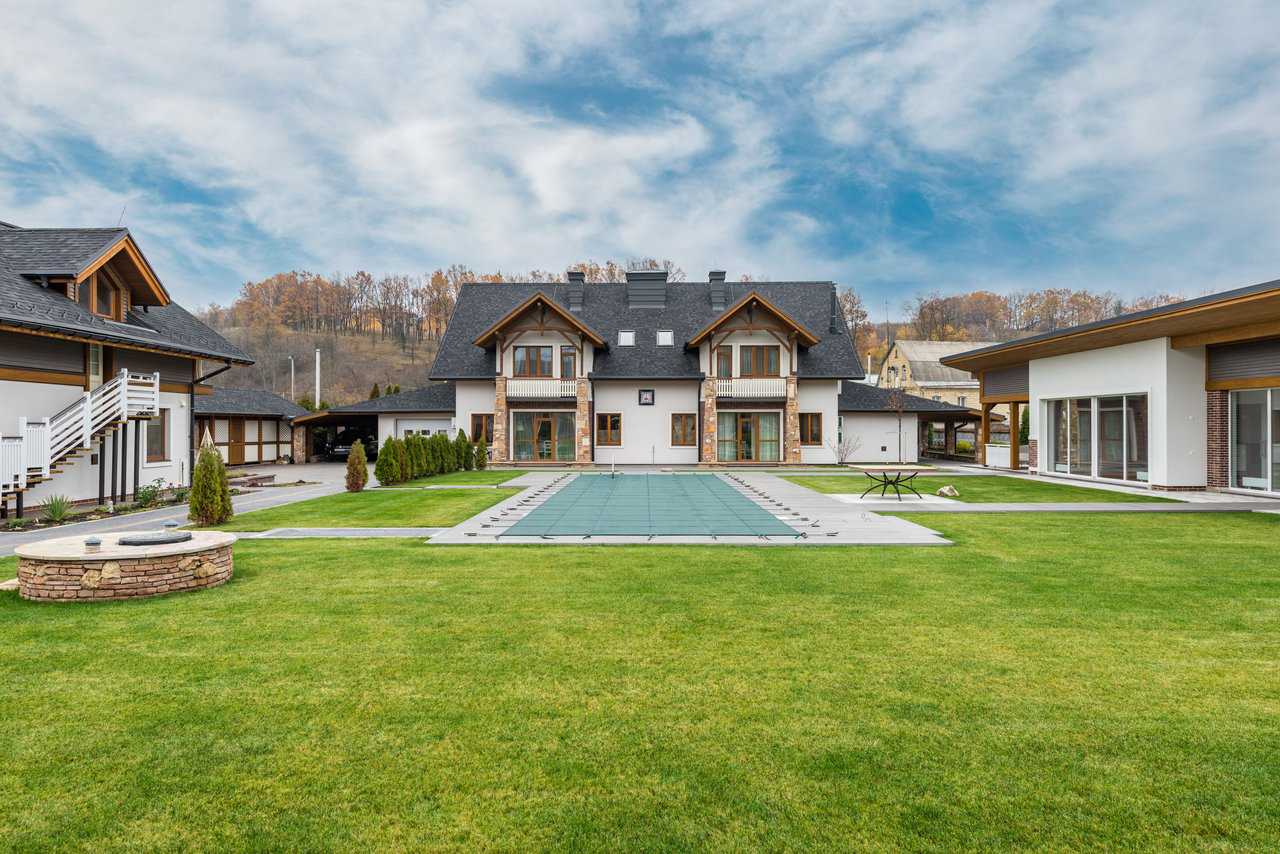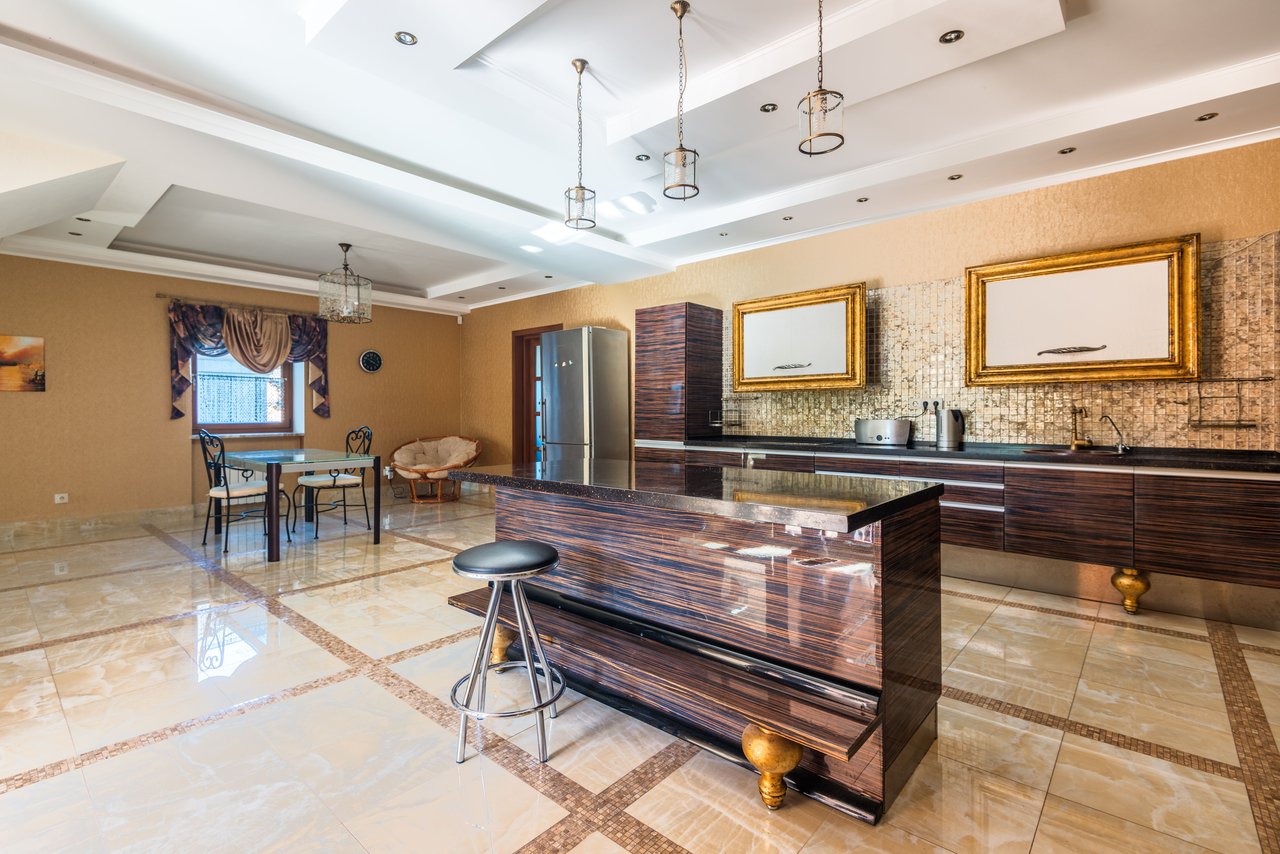
Buying a home in a gated community can offer a distinctive residential experience, combining controlled access, shared amenities, and established community standards. For luxury homebuyers in California's East Bay, gated developments may provide opportunities to explore custom estates, landscaped neighborhoods, and properties with specialized recreational facilities.
Communities in Blackhawk and selected areas of Alamo illustrate the variety of gated residential environments available in Contra Costa County. However, gates and attractive surroundings are only part of the purchasing decision.
Prospective owners should also understand homeowners association fees, maintenance responsibilities, architectural restrictions, insurance arrangements, and the condition of shared infrastructure. These factors can influence both everyday living and long-term ownership expenses.
This guide explains the benefits and drawbacks of gated community living, compares gated and non-gated properties, and outlines the due diligence steps buyers should complete before purchasing a luxury home.
What Is a Gated Community?
A gated community is a residential development with controlled entry points that regulate vehicle access and, in some cases, pedestrian access. These developments may include private streets, shared facilities, and community management arrangements.
How Gated Communities Work
Entry may be managed through electronic credentials, visitor codes, staffed gatehouses, or other access systems. Some developments also maintain private roads and common landscaping through a homeowners association.
The exact boundaries of private property, common areas, and public access should be verified for each community.
Different Types of Gated Communities
Gated residential developments generally fall into several categories:
- Electronically gated communities: Entry is managed through automated gates, access codes, or electronic credentials.
- Staffed-entry communities: Personnel assist with visitor access and entrance procedures.
- Private-road communities: Residents may share responsibility for private roads and related infrastructure.
- Luxury residential enclaves: Custom homes or estates may be organized around controlled entrances and shared community standards.
A staffed entrance does not necessarily mean every part of a development is monitored continuously.
Gated Communities vs Traditional Neighborhoods
Traditional neighborhoods generally rely on public streets and municipal infrastructure, although some also have HOAs. Gated developments may have additional access procedures and shared maintenance obligations.
Neither ownership structure automatically provides better amenities, lower expenses, or greater privacy.
Benefits of Buying a Home in a Gated Community
1. Controlled Vehicle and Visitor Access
Entry systems can help regulate how visitors, contractors, and delivery vehicles enter a development. Buyers should understand the procedures and limitations of the specific system.
2. Additional Privacy
Limited-access entrances may reduce casual vehicle circulation. Actual residential privacy also depends on lot configuration, neighboring properties, landscaping, and pedestrian access.
3. Shared Community Amenities
Some developments offer pools, recreation areas, trails, or other shared facilities. Buyers should verify which amenities are included in HOA dues and which require separate payments or memberships.
4. Community Landscaping and Maintenance
An HOA may maintain common landscaping, entrance features, roads, or shared recreational areas. Maintenance of individual homes and private yards may remain the homeowner's responsibility.
5. Architectural Standards and Property Guidelines
Community design guidelines may establish procedures for exterior painting, landscaping, fencing, or major renovations. These standards can support visual consistency while limiting individual flexibility.
6. Reduced Through-Traffic
Controlled entrances may limit nonresident vehicles using neighborhood roads as shortcuts. Traffic levels still depend on the development's size, design, and daily activity.
7. Distinctive Luxury Property Settings
Some luxury gated communities feature custom residences, estate-style properties, golf-oriented surroundings, or landscaped common areas.
These characteristics are development-specific and should not be assumed for every gated property.
8. Organized Community Management
An established HOA may coordinate maintenance planning, common-area repairs, budgeting, and enforcement of governing documents.
Management quality varies. Buyers should review financial records and meeting minutes rather than assuming that a professionally maintained entrance reflects the condition of the entire association.
Potential Drawbacks of Gated Community Living
HOA Fees and Additional Expenses
Regular assessments increase the recurring cost of ownership. Additional charges may arise when major repairs exceed available funds.
Rules and Architectural Restrictions
Owners may need approval before changing exterior colors, landscaping, fences, or other visible property features. Review restrictions before planning improvements.
Visitor and Delivery Access Procedures
Guests, service providers, and deliveries may need advance authorization. Buyers should test how convenient these procedures are in everyday use.
Shared Decision-Making and HOA Governance
Owners generally participate in a governance structure where association decisions can affect assessments, maintenance priorities, and community rules.
Maintenance Responsibilities and Special Assessments
Private roads, gates, and shared amenities eventually require repairs or replacement. Inadequate reserves may create financial pressure on owners.
Limited Flexibility for Exterior Modifications
Even improvements that comply with local building requirements may require separate architectural approval from an HOA.
Potential Disagreements Over Community Management
Disputes can arise over assessments, rule enforcement, repairs, or board decisions. Review available records for recurring issues and unresolved concerns.
Buying a Home in a Gated Community: Step-by-Step Guide
Step 1: Define Your Property and Community Requirements
Identify your preferred property size, architectural style, outdoor space, amenities, and access arrangements. Decide which features are essential and which are optional.
Step 2: Research Available Gated Developments
Compare communities by location, property characteristics, entrance systems, and association structure. Arrange tours of individual homes and common areas.
Step 3: Compare HOA Fees and Included Services
Request current assessments and a written explanation of covered services. Determine whether private roads, gates, landscaping, or recreational facilities are included.
Step 4: Review Governing Documents and Restrictions
Examine the CC&Rs, bylaws, operating rules, and architectural guidelines. Pay attention to planned renovations, parking, rentals, and use of shared facilities.
Step 5: Evaluate Amenities and Access Systems
Inspect available facilities and ask about maintenance schedules. Understand guest entry, emergency access, gate failures, and access credential procedures.
Step 6: Inspect the Property and Shared Infrastructure
Arrange appropriate inspections of the home. Investigate significant common-area concerns through HOA records and qualified professionals when necessary.
Step 7: Review Financial and Insurance Information
Examine budgets, reserve information, assessments, insurance summaries, and relevant financial statements. Ask about known major projects and potential funding gaps.
Step 8: Complete the Purchase With Appropriate Due Diligence
Coordinate document review, title investigation, financing, insurance, and contractual contingencies before closing. Seek qualified legal or financial guidance for material questions.
For broader purchasing guidance, visit the Taso Tsakos Real Estate website to discuss your East Bay luxury home search.
How Much Does It Cost to Live in a Gated Community?
Homeowners Association Dues
HOA dues may support administration, common-area maintenance, gate operations, and shared services. Amounts vary significantly by development.
Special Assessments
Associations may impose additional assessments for qualifying expenses, subject to applicable laws and governing requirements. Buyers should investigate approved and anticipated projects.
Private Road and Infrastructure Maintenance
Private roads, drainage systems, retaining structures, and other infrastructure can create long-term repair obligations.
Gate, Security, and Access System Expenses
Entrance equipment, staffing arrangements, monitoring services, and access technology may contribute to association operating costs.
Shared Landscaping and Amenities
Common gardens, pools, and recreational facilities require servicing, utilities, and periodic replacement of equipment.
Insurance and Property Taxes
Homeowners may need individual coverage in addition to any HOA master policy. Property taxes and special assessments should be evaluated separately.
Optional Country Club Membership Fees
Private country club membership is generally a separate contractual arrangement. Homeownership should never be assumed to include golf or other club privileges.
Expense Category | What It Covers | What Buyers Should Verify |
|---|---|---|
HOA dues | Association operations and services | Current assessments and included services |
Special assessments | Additional association funding | Approved or anticipated charges |
Private roads | Repairs and infrastructure upkeep | Responsibility and reserve funding |
Access systems | Gates, staffing, and equipment | Operating costs and replacement plans |
Shared amenities | Recreation and common landscaping | Access rights and maintenance obligations |
Insurance | Property and liability coverage | Master policy and individual coverage gaps |
Property taxes | Annual tax obligations | Assessment and special taxes |
Club membership | Optional private recreational privileges | Eligibility, dues, and separate charges |
Understanding HOA Rules and Restrictions Before Buying
Covenants, Conditions, and Restrictions (CC&Rs)
CC&Rs establish important property rights and obligations within an association-governed development. Read the current recorded documents carefully.
Architectural Review Requirements
Exterior renovations may require advance approval. Confirm the process, application requirements, and potential limitations before purchasing.
Landscaping and Exterior Modification Rules
Restrictions may apply to trees, fences, exterior lighting, paint, and landscape design. Applicable local laws may also affect enforceability.
Parking, Vehicle, and Guest Policies
Communities may regulate street parking, commercial vehicles, recreational vehicles, and visitor access. Review the actual rules rather than relying on informal descriptions.
Rental and Leasing Restrictions
Some associations regulate rental arrangements, subject to California law. Buyers considering rental income should seek professional advice about applicable limitations.
Pet and Amenity Policies
Rules may address pets and use of shared facilities. Restrictions remain subject to applicable legal protections and requirements.
HOA Enforcement and Dispute Procedures
Understand notice procedures, hearings, fines, and dispute-resolution options. California common interest developments may be governed by the Davis-Stirling Common Interest Development Act, depending on their legal structure.
Gated Community Security: What Buyers Should Know
Controlled Entry Systems
Electronic gates can manage authorized vehicle entry, but they are not a substitute for evaluating a property's broader security needs.
Guarded Entrances vs Automated Gates
Staffed entrances may provide assistance with access procedures. Automated systems rely on equipment and credential management. Both have operational limitations.
Visitor Management Procedures
Ask how residents authorize guests, contractors, and deliveries. Consider accessibility and the handling of unexpected visitors.
Emergency Vehicle Access
Confirm procedures for fire, medical, and law-enforcement access. Ask how gates operate during power outages or equipment failures.
Security Cameras and Community Monitoring
Some communities use cameras or monitoring services. Determine what areas are covered, who manages the systems, and whether recordings are retained.
Why Gated Access Does Not Guarantee Safety
A gated entrance does not eliminate crime or guarantee personal safety. Access systems may regulate entry, but their effectiveness depends on design, operation, maintenance, and other conditions.
Buyers should avoid assuming that gated properties have lower crime rates without reliable, relevant evidence.
Gated Communities in Blackhawk, Alamo, and the East Bay
Gated Residential Communities in Blackhawk, CA
Blackhawk is a prominent East Bay example of an association-managed gated residential environment. The main Blackhawk Homeowners Association manages a planned development with controlled entrances and private community infrastructure.
Not every nearby development identified with the Blackhawk area belongs to the same association. Buyers should confirm the governing entity and applicable rules for each property.
Homes may offer custom architecture, landscaped grounds, and proximity to golf-oriented amenities. Country club membership should be verified separately.
Gated Luxury Properties in Alamo, CA
Alamo includes selected gated residential developments, including Stonegate. Properties and access arrangements vary, and much of Alamo consists of other residential settings.
Buyers should review the exact development's HOA documents, access rules, and property characteristics.
Gated Community Options Around Danville
Danville and surrounding areas offer varied luxury housing options, including selected controlled-access residential developments. The town as a whole is not gated.
Evaluate individual listings to confirm whether a property belongs to a gated development and what obligations apply.
Other East Bay Luxury Community Considerations
Buyers exploring Diablo, Lafayette, and surrounding Contra Costa County communities should distinguish private driveways, limited-access roads, and formal HOA-managed gated developments.
These arrangements can create different ownership responsibilities even when properties appear similar from the street.
Gated Community vs Non-Gated Community: Which Is Better?
Privacy and Access
Gated developments may restrict vehicle entry, while non-gated neighborhoods generally provide more open road access. Privacy depends on the individual property.
Amenities and Shared Facilities
Some gated communities provide shared amenities, but many non-gated developments also have recreational facilities or HOAs.
Homeownership Costs
Association-managed infrastructure can increase recurring expenses. Non-gated properties may involve different private maintenance obligations.
Property Modification Flexibility
HOA restrictions can limit exterior changes. Non-gated homes may offer greater flexibility, subject to zoning, permits, recorded restrictions, and applicable laws.
Maintenance Responsibilities
Responsibility for roads, landscaping, and facilities depends on recorded ownership and governing arrangements.
Resale Considerations
Buyer preferences vary. Gated access alone does not establish a guaranteed resale premium.
Consideration | Gated Community | Non-Gated Community |
|---|---|---|
Access | Controlled entrances may apply | Generally open street access |
Privacy | Potentially less through-traffic | Depends on lot and neighborhood |
Amenities | May include shared facilities | May also offer shared or public amenities |
HOA obligations | Common in managed developments | May or may not apply |
Exterior modifications | Often subject to association review | Depends on recorded restrictions and law |
Road maintenance | May be privately funded | Public or private responsibility varies |
Resale value | Depends on property and market | Depends on property and market |
Do Gated Communities Have Higher Property Values?
How Amenities and Location Affect Property Desirability
Location, property size, architecture, condition, and amenities influence buyer interest. Controlled access may be attractive to some purchasers but is only one consideration.
The Role of HOA Management and Maintenance
Well-maintained shared infrastructure can support property presentation. Poorly funded reserves or unresolved maintenance problems may create concerns.
Why Gated Access Alone Does Not Determine Value
Market value depends on comparable transactions and prevailing buyer demand. A gate does not automatically make one home more valuable than a similar non-gated property.
Comparing Similar Properties and Recent Sales
Evaluate closed transactions with comparable locations, construction, lot characteristics, amenities, and association obligations.
Long-Term Resale Considerations
Buyers should consider ongoing assessments, financial health, and restrictions alongside future marketability. No community type guarantees appreciation.
Important Documents to Review Before Buying in a Gated Community
HOA Governing Documents
Request current CC&Rs, bylaws, articles, and operating rules. Confirm that the documents apply to the exact property.
HOA Budget and Financial Statements
Review operating income, expenses, financial statements, and major maintenance obligations.
Reserve Studies and Funding Information
Examine reserve funding and anticipated repairs. Low reserves may warrant additional questions about future assessments.
Meeting Minutes and Pending Assessments
Ask for available board minutes and information about approved or proposed assessments. Meeting records may reveal significant maintenance or governance issues.
Insurance Coverage and Responsibilities
Review the association's insurance summary and consult an insurance professional about individual coverage needs.
Rules, Architectural Guidelines, and Enforcement Policies
Determine how the association handles exterior improvements, violations, hearings, and appeals.
Relevant Litigation and Disputes
Investigate disclosed litigation or material disputes that could affect finances, maintenance, or property ownership.
Property Disclosures and Inspection Reports
Review the seller's disclosures and arrange appropriate inspections. California Civil Code Section 4525 addresses specified resale disclosures for applicable common interest developments, including governing documents, assessment information, and certain inspection records.
Disclosure requirements vary by legal structure and circumstances. Consult qualified professionals when questions arise.
Questions to Ask Before Buying a Home in a Gated Community
Use this checklist during your property search and HOA document review:
- ☐ What are the current HOA dues?
- ☐ What services and amenities do the dues cover?
- ☐ Are any special assessments planned or pending?
- ☐ How well-funded are the HOA reserves?
- ☐ Who maintains the roads, gates, and shared facilities?
- ☐ What restrictions apply to exterior renovations?
- ☐ Are there rental or leasing restrictions?
- ☐ How are guests, contractors, and deliveries admitted?
- ☐ Are private club memberships included or separate?
- ☐ What insurance coverage is provided by the HOA?
- ☐ Are there pending legal disputes?
- ☐ What are the emergency access procedures?
Request written documentation when possible. Verbal explanations should not replace current governing documents or professional due diligence.
Common Mistakes to Avoid When Buying in a Gated Community
- Assuming gates guarantee security: Evaluate actual access systems and property conditions.
- Ignoring HOA documents: Read restrictions before committing to ownership.
- Overlooking special assessments: Investigate current and anticipated charges.
- Failing to review financial health: Examine budgets, reserves, and major projects.
- Assuming all amenities are included: Confirm access rights and additional fees.
- Confusing club membership with homeownership: Verify private club arrangements independently.
- Ignoring architectural restrictions: Investigate approvals before planning renovations.
- Underestimating maintenance expenses: Budget for both private and shared obligations.
- Failing to investigate shared infrastructure: Review road, gate, and common-area maintenance records.
- Assuming faster appreciation: Use comparable sales rather than unsupported investment expectations.
Frequently Asked Questions About Gated Communities
Is Buying a Home in a Gated Community Worth It?
Buying a gated-community home may be worthwhile if controlled access, shared amenities, and community standards match your priorities. However, recurring HOA dues, architectural restrictions, and maintenance obligations can affect ownership costs. Compare the individual property and association documents with suitable non-gated alternatives before deciding.
Are Gated Communities Safer Than Regular Neighborhoods?
Gated communities use access controls that may regulate vehicle entry, but gates do not guarantee safety or eliminate crime. Security arrangements vary by development, and reliable local evidence is needed before making comparisons. Buyers should evaluate entry procedures, emergency access, property security features, and overall maintenance.
Do Gated Communities Always Have HOA Fees?
Many gated developments have HOA assessments because shared entrances, roads, and common facilities require management. However, ownership and maintenance structures vary. Some private-access arrangements may use other agreements. Buyers should verify recorded obligations, recurring fees, and potential shared expenses for the exact property.
What Are the Disadvantages of Living in a Gated Community?
Potential disadvantages include HOA dues, special assessments, architectural restrictions, visitor access procedures, and shared governance decisions. Some developments also have substantial private infrastructure obligations. The importance of these drawbacks depends on the association's financial condition, rules, services, and the homeowner's preferences.
Do Gated Communities Have Higher Property Values?
Not necessarily. Gated access may appeal to certain buyers, but property values also depend on location, size, condition, architecture, amenities, and market conditions. HOA obligations can influence desirability as well. Comparable sales provide a more reliable basis for valuation than assuming a universal gated-community premium.
Can You Renovate a Home in a Gated Community?
Renovations may be permitted, but exterior changes can require HOA architectural approval in addition to applicable building permits. Rules vary by development and project type. Before buying, review the governing documents and ask for written clarification about planned improvements, approval procedures, and restrictions.
Are Country Club Memberships Included With Gated Community Homes?
Country club membership is not automatically included with gated-community homeownership. Private clubs and homeowners associations may operate as separate organizations with different fees, eligibility requirements, and access privileges. Buyers should confirm membership terms directly with the club before relying on any recreational benefits.
What Should You Check Before Buying a Gated Community Property?
Review HOA dues, reserves, special assessments, governing documents, insurance, access procedures, and shared infrastructure responsibilities. Investigate property condition, disclosures, and any pending disputes. Confirm whether desired amenities require separate memberships. Qualified real estate, legal, and insurance professionals can help address property-specific concerns.
Final Thoughts: Is a Gated Community Right for You?
Buying a home in a gated community involves evaluating more than the residence itself. Controlled access, shared amenities, and architectural standards may offer meaningful benefits, but HOA fees, restrictions, and infrastructure obligations require careful consideration.
For luxury buyers exploring Blackhawk, Alamo, Danville, Diablo, Lafayette, and surrounding East Bay communities, the best choice depends on individual property features, community governance, financial priorities, and preferred lifestyle amenities.
Thorough due diligence can help buyers understand what they are purchasing and avoid unexpected ownership obligations.
Interested in exploring luxury homes in gated communities? Visit Taso Tsakos Real Estate to learn more about East Bay luxury properties and request a personalized homebuyer consultation.
A property-specific search can help you compare gated and non-gated options, review community requirements, and identify homes that align with your goals.