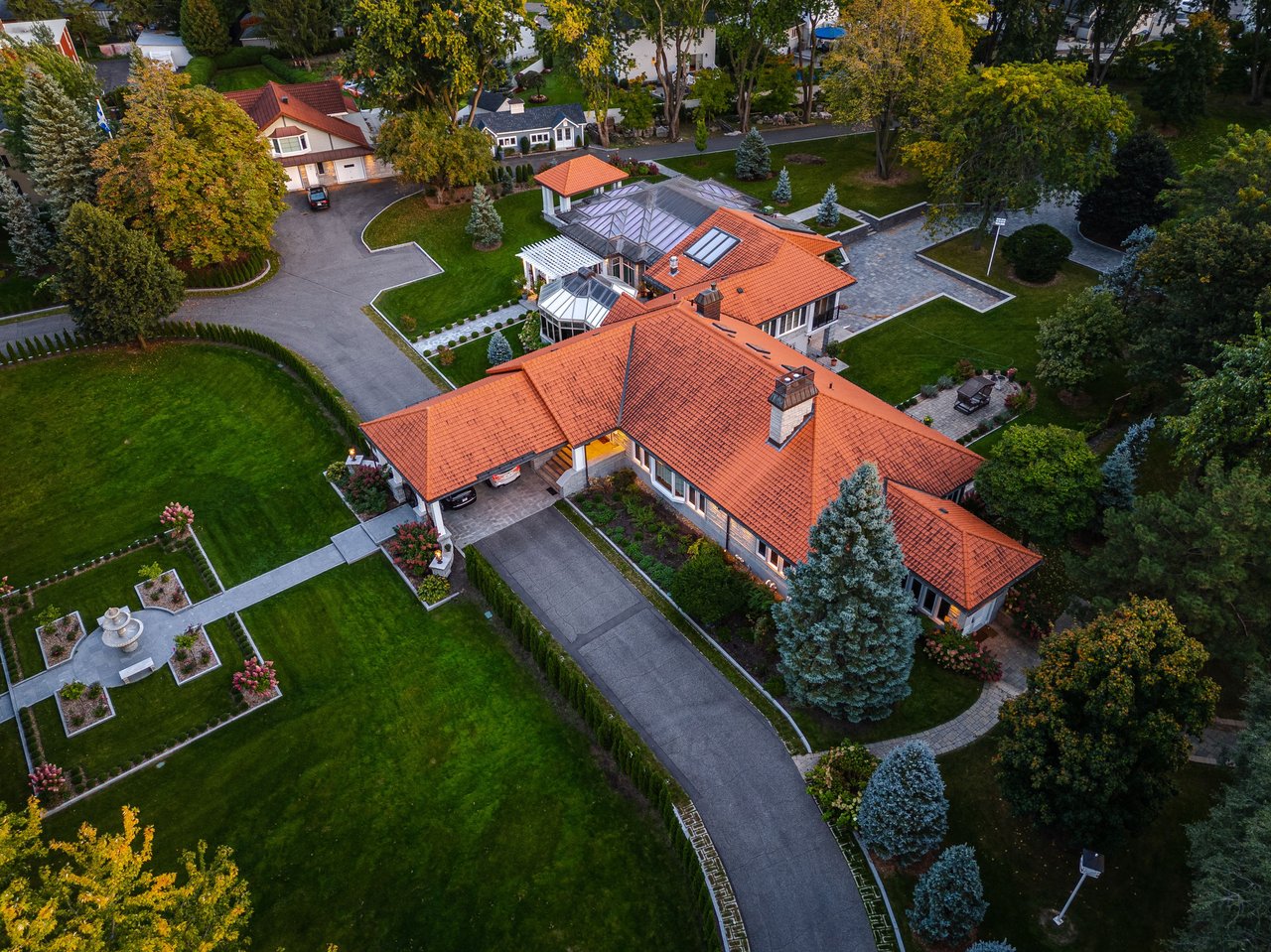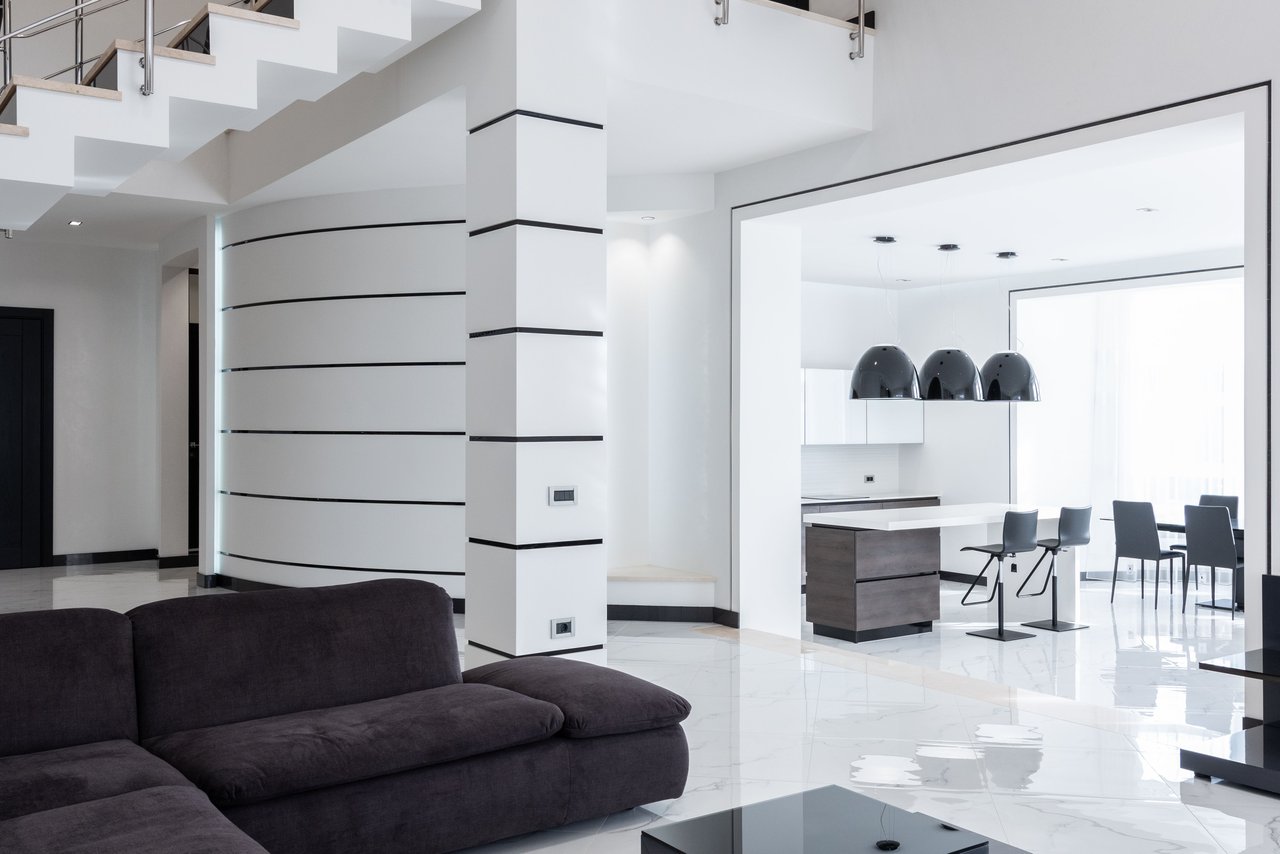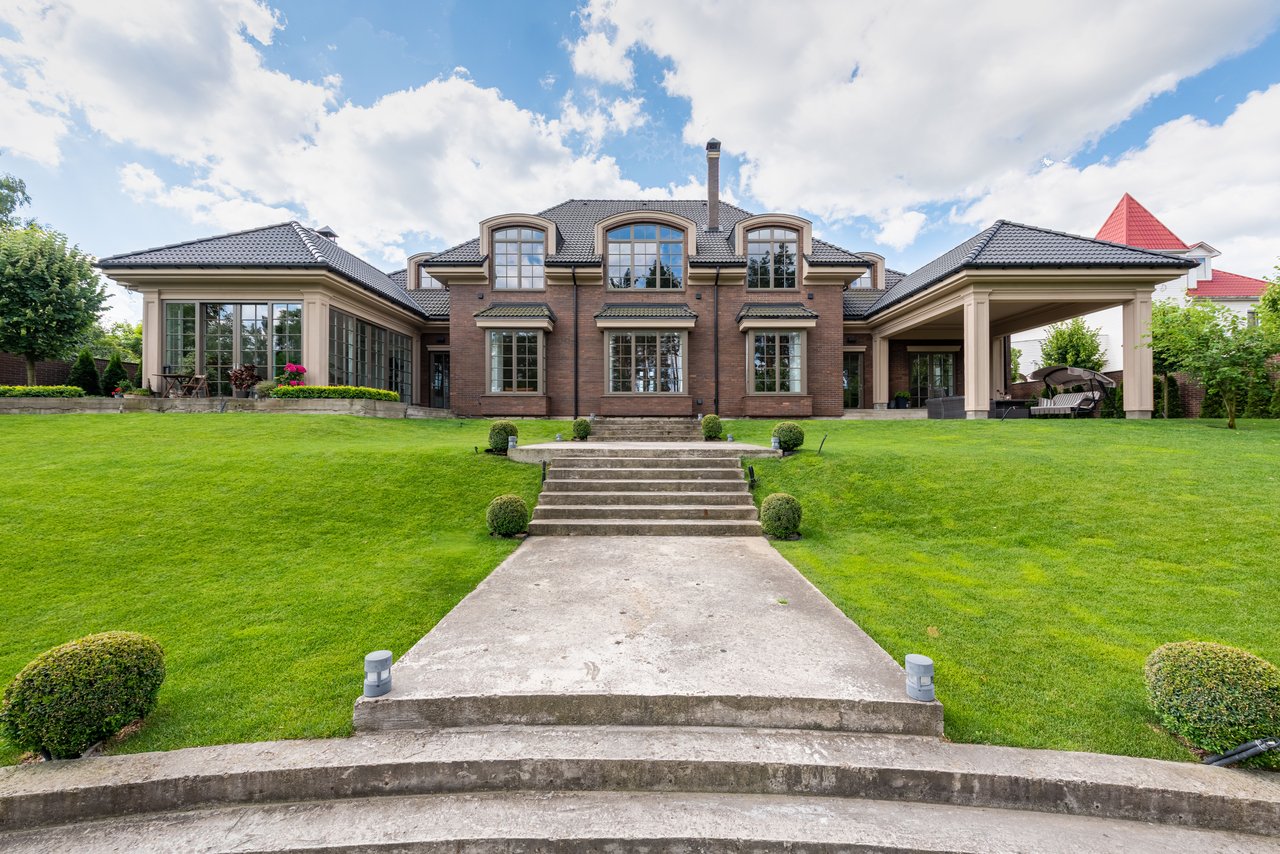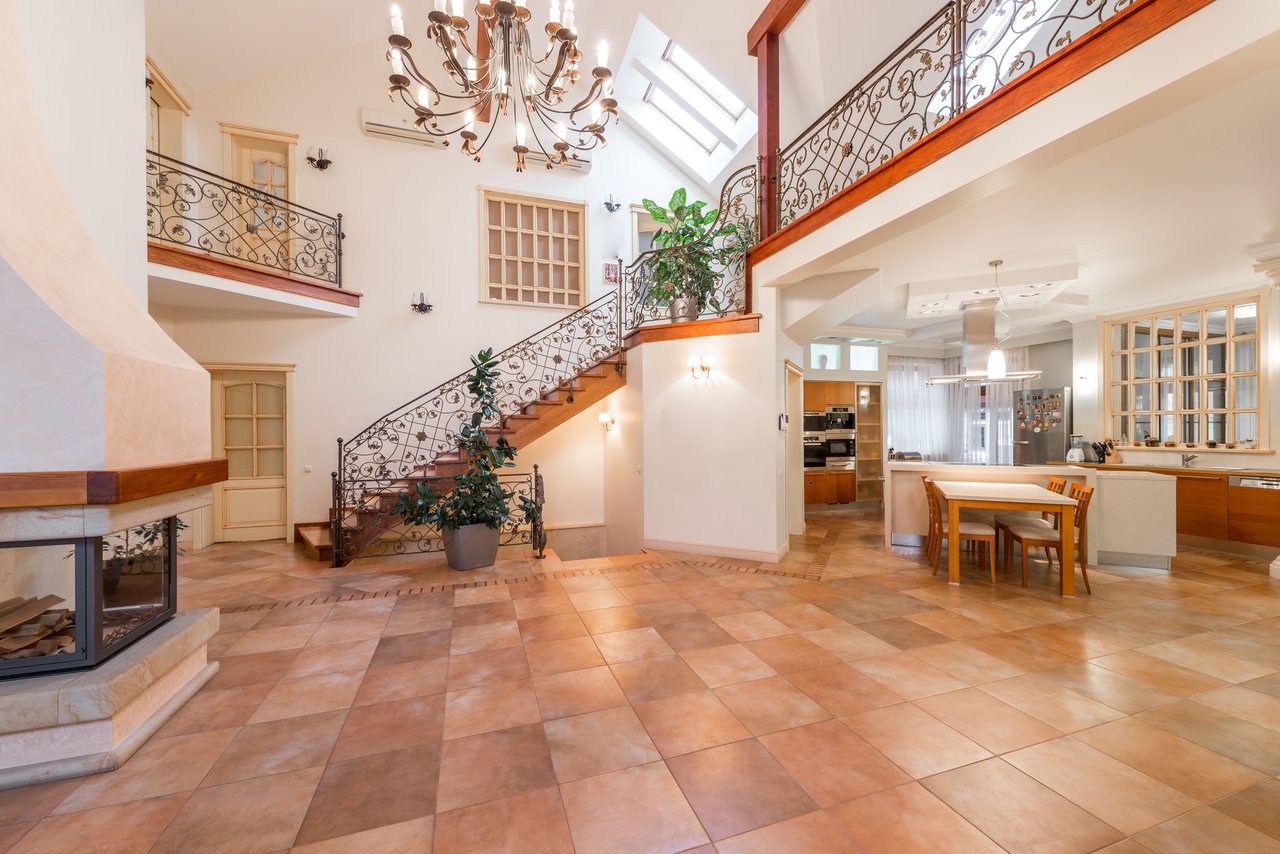
Luxury home staging is an important part of preparing a high-end property for the real estate market. Thoughtful presentation can highlight architectural details, improve the appearance of living spaces, and help prospective buyers understand how a home functions. In California's East Bay, where luxury properties often feature custom designs and distinctive amenities, a property-specific approach is especially valuable.
For homeowners in Danville, Alamo, Blackhawk, Diablo, Lafayette, and Walnut Creek, staging involves more than arranging attractive furniture. It requires understanding the home's proportions, emphasizing desirable features, and coordinating interior presentation with professional photography and marketing.
Whether you are preparing an occupied residence or a vacant estate, the right staging decisions can create a more cohesive viewing experience. This guide explains practical staging techniques, room-by-room priorities, costs, common mistakes, and how presentation supports an effective luxury home selling strategy.
What Is Luxury Home Staging?
Luxury home staging is the strategic preparation and furnishing of a high-end property to showcase its architecture, functionality, proportions, and lifestyle potential. It may involve furniture selection, lighting, artwork, accessories, decluttering, and exterior improvements.
Luxury Home Staging vs Traditional Home Staging
Traditional staging often focuses on decluttering, neutralizing decor, and establishing clear room functions. High-end home staging applies those principles while paying closer attention to furniture scale, material quality, architectural character, and design consistency.
A large custom residence may require carefully selected furnishings that complement its ceiling heights and room dimensions rather than standard furniture packages.
Why Presentation Matters in High-End Real Estate
Buyers often begin evaluating a property through online photographs and listing descriptions. Thoughtful staging helps communicate room dimensions, circulation, natural light, and architectural details.
During showings, a well-presented interior can make it easier to understand how different spaces connect and function.
How Staging Supports a Luxury Home Marketing Strategy
Staging works alongside competitive pricing, professional photography, property descriptions, and agent-led marketing. It improves how a home's existing features are presented but does not automatically increase its underlying market value.
Homeowners preparing to sell can review the Taso Tsakos luxury home seller's guide for a broader overview of the listing process.
Luxury Home Staging Tips to Showcase Your Property
1. Create an Impressive First Impression
Begin with the arrival experience. Clean walkways, maintain landscaping, refresh exterior lighting, and ensure the front entrance appears welcoming and well maintained.
Remove unnecessary decorations and address visible maintenance issues. The exterior presentation should establish expectations consistent with the home's interior.
2. Highlight Architectural Features
Position furniture to draw attention to high ceilings, fireplaces, expansive windows, custom millwork, and other distinctive details.
Avoid placing oversized artwork or furnishings where they conceal architectural elements. Allow important features to remain visually accessible.
3. Use Furniture That Complements Each Room's Scale
Large rooms need furniture with appropriate proportions, but filling every available space can make an interior feel crowded.
Arrange seating to establish clear conversation areas and comfortable circulation. In smaller rooms, select furnishings that demonstrate functionality without restricting movement.
4. Choose a Cohesive and Sophisticated Color Palette
Coordinate wall colors, upholstery, rugs, and accessories to create visual continuity. Neutral foundations with restrained accent colors often provide flexibility while allowing architectural details to stand out.
The objective is not to eliminate personality but to prevent competing design elements from distracting from the property.
5. Maximize Natural Light
Clean windows, adjust window treatments, and remove objects that unnecessarily block daylight. Supplement natural illumination with consistent, appropriately positioned lighting.
Check how rooms appear at different times of day, particularly when planning photography and scheduled showings.
6. Showcase the Kitchen as a Functional Luxury Space
Keep countertops largely clear, clean cabinetry and appliances, and emphasize attractive materials and useful work areas.
A few carefully selected accessories can add warmth without hiding the layout. Make sure lighting highlights preparation areas, islands, and architectural details.
7. Create a Relaxing Primary Suite
Use coordinated bedding, appropriately sized bedside furniture, and balanced lighting. Remove excess personal items and unnecessary furniture.
In the primary bathroom, clean glass, polish fixtures, organize storage, and present countertops with minimal accessories.
8. Stage Outdoor Living and Entertainment Areas
Arrange patio furniture to demonstrate usable gathering spaces. Clean outdoor kitchens, maintain landscaping, and prepare pools or water features where applicable.
For larger properties, consider how seating areas, gardens, terraces, and pathways relate to one another.
9. Highlight Flexible Living Spaces
Home offices, media rooms, guest accommodations, and multipurpose areas should have an understandable purpose.
Use furniture placement to demonstrate potential uses without implying that a room is legally approved for a purpose that has not been verified.
10. Remove Clutter and Personal Distractions
Reduce crowded shelves, excess furniture, personal collections, and unnecessary decorative objects. Secure valuables and confidential documents before photography and showings.
Preserve enough texture and character to make rooms inviting rather than empty or impersonal.
11. Address Small Repairs and Visible Maintenance Issues
Repair damaged hardware, touch up paint, replace nonfunctioning bulbs, and correct obvious cosmetic defects.
Visible maintenance problems can distract buyers and raise questions about the property's overall condition. Prioritize repairs based on their importance and cost.
12. Prepare Every Room for Professional Photography
Check furniture placement, lighting, window treatments, and surface cleanliness before the photography appointment.
Maintain consistency between the online presentation and the actual showing experience. Buyers should encounter the property they reasonably expect from the listing.
How to Stage Different Rooms in a Luxury Home
Luxury Living Rooms and Formal Entertaining Spaces
Establish seating arrangements that demonstrate the room's proportions while preserving views of fireplaces, windows, and architectural features.
Gourmet Kitchens and Dining Areas
Keep kitchen surfaces clean and functional. In dining rooms, choose appropriately scaled tables and restrained place settings that support the room's intended use.
Primary Bedrooms and Spa-Inspired Bathrooms
Coordinate bedding, lighting, and accessories. Emphasize spaciousness, storage, and the quality of finishes without overcrowding the room.
Home Offices and Flexible Workspaces
Use a desk, seating, and minimal accessories to demonstrate function. Avoid visible cables, paperwork, and excessive equipment.
Outdoor Kitchens, Pools, and Landscaped Gardens
Maintain outdoor surfaces, arrange seating, and highlight connections between indoor and outdoor spaces. Address landscaping and maintenance before photography.
Guest Suites and Additional Living Areas
Give each room a clear purpose. Coordinate furnishings with the home's overall design while allowing individual spaces to retain their character.
Room or Area | Staging Priority | Recommended Improvements |
|---|---|---|
Entryway | First impression | Clean surfaces, balanced lighting, minimal decor |
Living room | Scale and circulation | Appropriate furniture, clear architectural views |
Kitchen | Functionality and finishes | Clear counters, clean appliances, focused lighting |
Primary suite | Comfort and spaciousness | Coordinated linens, simplified furniture |
Home office | Functional flexibility | Organized desk, minimal accessories |
Outdoor areas | Usability and presentation | Landscaping, seating, clean surfaces |
Guest rooms | Clear room purpose | Scaled furnishings, coordinated design |
Staging Luxury Homes in Danville, Alamo, and Blackhawk
Luxury Home Staging in Danville, CA
When selling a luxury home in Danville, staging should emphasize the property's actual architectural and functional strengths. Homes with expansive windows or connected patios may benefit from arrangements that highlight indoor-outdoor circulation.
For updated residences, coordinated furnishings can complement contemporary finishes without overwhelming them.
Preparing Luxury Properties in Alamo, CA
Luxury homes in Alamo CA may feature substantial lots, custom architecture, and landscaped grounds. Where these features exist, staging should demonstrate how interior spaces relate to outdoor areas.
Large rooms benefit from appropriately scaled furnishings, while exterior preparation should address landscaping, pathways, and usable gathering spaces.
Staging High-End Homes in Blackhawk, CA
Blackhawk luxury real estate includes distinctive residences with varying architectural styles and property settings. Staging should complement each home's design and highlight relevant features such as outdoor entertaining areas or golf-course views when present.
Furniture should not obstruct scenic outlooks or important sightlines.
Luxury Property Presentation in Diablo and Lafayette
Homes in Diablo and Lafayette vary in architecture, terrain, and surrounding landscape. A tailored staging plan can emphasize natural light, architectural details, and connections to outdoor spaces.
Similar principles apply in Walnut Creek, where property size, style, and setting should guide presentation decisions.
Occupied vs Vacant vs Virtual Luxury Home Staging
Staging an Occupied Luxury Home
Occupied staging uses existing furnishings where appropriate and supplements them with selected pieces or accessories. It can reduce rental requirements while allowing the seller to continue living in the property.
However, personal belongings, furniture condition, and daily maintenance may limit design flexibility.
Professionally Staging a Vacant Property
Vacant staging allows greater control over furniture selection and room layouts. A professional stager can establish clear functions for otherwise empty spaces.
Furniture rental, delivery, installation, and removal may increase costs, especially in large estates.
Using Virtual Staging for Luxury Real Estate
Virtual staging digitally adds furnishings to photographs of an existing property. It can illustrate room potential without physically furnishing every space.
Digitally staged images should be clearly disclosed where required and must not misrepresent permanent features, dimensions, views, or property condition.
Choosing the Right Staging Approach
The appropriate method depends on occupancy, budget, architecture, marketing objectives, and the property's current presentation.
Staging Method | Potential Benefits | Limitations | Best Use Cases |
|---|---|---|---|
Occupied staging | Uses existing furnishings and may limit rental needs | Less design flexibility and ongoing upkeep | Well-furnished occupied residences |
Vacant staging | Consistent physical presentation | Furniture rental and installation expenses | Empty luxury properties |
Virtual staging | Illustrates possible layouts digitally | Does not furnish the actual property | Supplementary online presentation |
How Much Does Luxury Home Staging Cost?
Property Size and Number of Rooms
Luxury home staging cost varies with square footage, room count, and the areas selected for staging. A focused plan covering principal living spaces may require fewer resources than furnishing an entire estate.
Furniture Rental and Design Requirements
Specialized furniture, large-scale artwork, rugs, and decorative accessories can affect expenses. Delivery logistics and installation requirements also matter.
Occupied vs Vacant Property Costs
Occupied properties may require consultation and selective furniture replacement. Vacant properties can involve extensive rental inventories and installation services.
Staging Duration and Additional Services
Costs may depend on rental periods, storage, transportation, cleaning, landscaping, and optional design services. Ask providers to explain extension and removal charges.
How to Evaluate the Value of Professional Staging
Request written, property-specific proposals and compare the scope of work. Consider how staging supports photography, showings, and the broader listing strategy.
No staging expense guarantees a particular selling price or financial return.
Does Luxury Home Staging Help Sell a House?
How Staging Influences Property Presentation
Staging can help prospective buyers understand room proportions, functional layouts, and the relationship between spaces. It may also reduce visual distractions that interfere with evaluating a property.
The Role of Staging in Online Listing Photography
Photography often provides a buyer's first detailed impression. Well-arranged furnishings, consistent lighting, and uncluttered interiors help communicate the home's design.
What Real Estate Research Says About Staging
National Association of Realtors staging research has reported that many real estate professionals perceive staging as helpful in buyers' visualization of a property. Such findings reflect survey responses and should not be interpreted as proof that staging causes a particular sale price or marketing timeline.
Why Results Depend on Pricing, Market Conditions, and Property Quality
Staging is only one component of a successful listing strategy. Asking price, location, property condition, available competition, and buyer demand remain important.
A professionally staged home can still require pricing adjustments or additional marketing if the initial strategy does not align with market conditions.
Luxury Home Staging Mistakes to Avoid
- Overcrowding rooms: Leave sufficient circulation space and avoid unnecessary furniture.
- Using poorly scaled furnishings: Choose pieces appropriate to ceiling height and room dimensions.
- Ignoring exterior presentation: Maintain landscaping, entryways, and outdoor surfaces.
- Mixing inconsistent design styles: Coordinate furnishings with the property's architecture.
- Overlooking lighting: Evaluate natural and artificial light before photography.
- Leaving maintenance issues unresolved: Repair visible defects where practical.
- Removing all character: Retain thoughtful decorative details without excessive personalization.
- Neglecting outdoor spaces: Demonstrate the usefulness of patios, terraces, and gardens.
- Using misleading virtual staging: Disclose digital alterations and preserve accurate property details.
- Staging without a marketing plan: Coordinate presentation with pricing, photography, and the listing launch.
Luxury Home Staging Checklist Before Listing
The following luxury home staging checklist provides a suggested preparation schedule. Actual timing depends on the property's condition, available vendors, and listing objectives.
Four Weeks Before Listing
- Review staging priorities with your real estate agent.
- Consult professional stagers when appropriate.
- Identify repairs and maintenance concerns.
- Obtain proposals and establish a preparation budget.
- Plan landscaping and exterior improvements.
Two Weeks Before Listing
- Declutter rooms, closets, and storage areas.
- Complete scheduled cleaning and minor repairs.
- Arrange furniture and accessories.
- Prepare gardens, patios, and outdoor amenities.
One Week Before Listing
- Review room layouts and decorative consistency.
- Check lighting and window treatments.
- Confirm photography and video appointments.
- Inspect exterior presentation and entryways.
The Day Before Photography or Showings
- Clean floors, windows, mirrors, and countertops.
- Remove personal items and secure valuables.
- Check lighting and replace nonfunctioning bulbs.
- Arrange cushions, bedding, and accessories.
- Prepare outdoor seating and landscaping.
How Professional Real Estate Marketing Complements Luxury Home Staging
Professional Photography and Video Tours
High-quality photography and video can communicate the property's architecture, finishes, and layout. Staging helps prepare the spaces so that these marketing materials present them clearly.
Compelling Luxury Property Descriptions
Listing descriptions should explain meaningful property features accurately. Architectural details, documented improvements, and functional amenities deserve greater emphasis than exaggerated promotional language.
Competitive Pricing and Market Positioning
Presentation and pricing should work together. A strong staging plan cannot compensate indefinitely for an asking price unsupported by comparable sales.
Learn more about the overall selling process in the East Bay luxury home selling guide.
Reaching Qualified Buyers Through Relevant Marketing Channels
A coordinated marketing plan may use listing platforms, brokerage networks, digital advertising, and direct outreach while following applicable fair housing requirements.
Coordinating Staging With the Listing Launch
Complete major presentation work before professional photography and initial marketing whenever possible. Consistency across photographs, video, property descriptions, and in-person showings helps establish a coherent buyer experience.
Frequently Asked Questions About Luxury Home Staging
What Is Luxury Home Staging?
Luxury home staging is the strategic preparation of a high-end property to highlight its architecture, functionality, and design potential. It may involve furniture placement, lighting, decluttering, accessories, and exterior improvements. The objective is to help prospective buyers understand the home's features through photographs and in-person visits.
Is Professional Staging Worth It for a Luxury Home?
Professional staging may be worthwhile when a property needs furniture, improved room layouts, or more consistent presentation. Its value depends on the home's condition, staging expenses, marketing plan, and buyer response. Sellers should compare proposals and avoid assuming that staging guarantees a financial return.
How Much Does It Cost to Stage a Luxury Home?
Costs depend on property size, the number of staged rooms, furniture requirements, occupancy, rental duration, and additional services. Vacant estates may require more extensive furnishing than occupied properties. Request itemized estimates from qualified staging professionals to understand the actual cost for your home.
Should You Stage an Empty Luxury Home?
Staging a vacant luxury home can help buyers understand room proportions and potential furniture arrangements. Physical staging may be especially useful for large or unusually shaped spaces. However, the appropriate investment depends on the property, marketing objectives, and available budget. Virtual staging may provide a supplementary option.
What Rooms Are Most Important to Stage?
Priority areas often include the entryway, living room, kitchen, dining area, primary suite, and major outdoor entertaining spaces. The ideal selection depends on the property's distinguishing features. A home with an exceptional office, guest suite, or terrace may benefit from highlighting those spaces as well.
Can You Stage a Luxury Home Yourself?
Yes. Sellers can improve presentation through decluttering, cleaning, furniture rearrangement, lighting adjustments, and minor repairs. Professional assistance may be beneficial when rooms require specialized furnishings or extensive design coordination. The most important goal is a consistent presentation that complements the home's architecture.
Does Home Staging Increase Property Value?
Staging can improve perceived presentation and help buyers visualize a property's use, but it does not automatically change the home's underlying market value. Any effect on the final sale price depends on buyer demand, pricing, property condition, competition, and negotiation. A specific return should never be guaranteed.
How Long Does Luxury Home Staging Take?
The timeline depends on the property's size, occupancy, furniture availability, and preparation requirements. Simple occupied staging may involve fewer steps than furnishing a vacant estate. Sellers should coordinate consultations, repairs, delivery, installation, and photography with their agent and staging provider before choosing a listing date.
Final Thoughts: Preparing Your Luxury Home to Impress Buyers
Successful luxury home staging begins with understanding the property itself. Thoughtful furniture placement, coordinated interiors, well-maintained outdoor spaces, and careful lighting can help communicate a home's architectural character and functional potential.
For East Bay homeowners in Danville, Alamo, Blackhawk, Diablo, Lafayette, and Walnut Creek, staging decisions should reflect each property's design, condition, and marketing objectives rather than following a generic formula.
Professional staging is most effective when coordinated with accurate pricing, high-quality photography, and a comprehensive sales strategy.
Preparing to sell your luxury home in the East Bay? Taso Tsakos Real Estate can help you evaluate presentation priorities and develop a property-specific selling approach.
Explore the Builder's Eye property assessment to learn how construction quality, property condition, and potential improvements can be considered before listing. Request a personalized consultation to discuss the next steps for your luxury home sale.