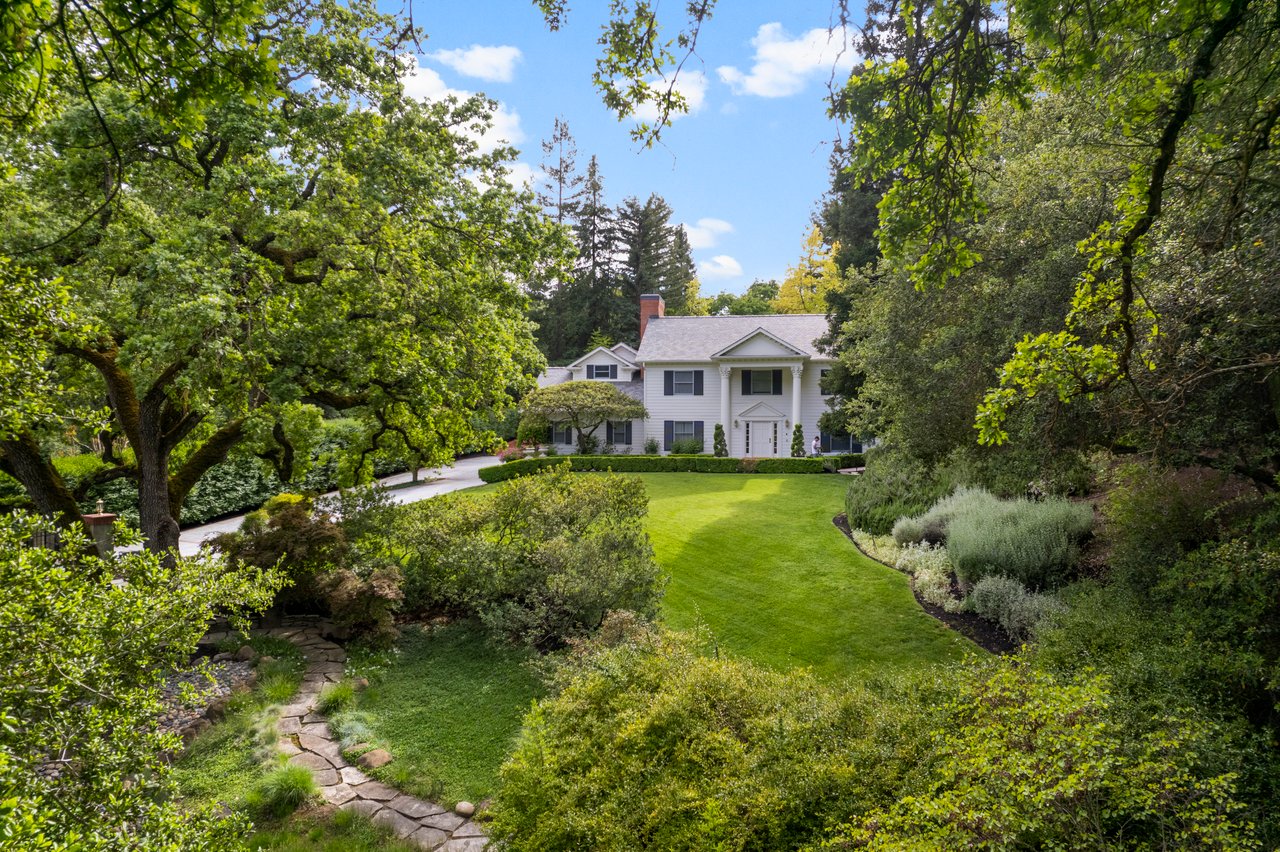
Median home prices in Contra Costa County rose by 6% in early 2024, signaling a resilient surge in the regional high-end market. With entry-level luxury now starting at $2 million, high-net-worth buyers are increasingly competing for limited inventory across exclusive enclaves like Piedmont and Alamo.
Finding a property that balances Silicon Valley proximity with total privacy often feels like an impossible trade-off in such a tight market. This guide breaks down the elite micro-markets and architectural trends to help you master the high-stakes process of buying a luxury home in the East Bay.
Why Buying a Luxury Home in the East Bay Remains a Top-Tier Move
East Bay luxury real estate, spanning Alameda and Contra Costa counties, centers on estates exceeding $2 million. High-net-worth buyers prioritize acreage in Alamo or historic prestige in Piedmont to balance Silicon Valley access with private wellness-focused living.
This demand for space and privacy is fundamentally reshaping how local micro-markets operate.
Regional Micro-Markets and Lifestyle Shifts
Luxury begins at $2 million across Alameda and Contra Costa. Price floors rise steadily here. Buyers now hunt for maximum square footage.
Demand for home offices and private gyms is surging. People want self-contained sanctuaries. This shift dictates almost every new renovation request.
Suburban quiet meets professional reach. It is a rare, high-value trade-off.
Proximity to Silicon Valley and San Francisco Hubs
Commuting via the 680 and 24 corridors is standard. Tech giants in Mountain View remain accessible. High-net-worth individuals value this specific geographical bridge.
Napa and Sonoma are close. Weekend escapes to wine country take just an hour.
This connectivity keeps property values resilient. Demand stays high even during market fluctuations.

4 Elite Enclaves Defining East Bay Prestige
Location dictates the lifestyle, but these four specific towns set the absolute gold standard for the region.
Privacy and Security in Alamo and Blackhawk
Blackhawk offers a guard-gated environment with 24/7 surveillance, while Alamo provides sprawling estates and natural buffers. Both remain top choices for high-profile residents seeking seclusion. The security infrastructure here is a major selling point.
Private country clubs define these zip codes. Golf culture is central to the social fabric and community life.
- 24/7 manned gates in Blackhawk
- Equestrian trails in Alamo
- Championship golf courses
- Multi-acre privacy buffers
Urban Prestige in Piedmont and Orinda
Piedmont is home to legendary historical estates with unmatched architectural heritage. These homes represent generational wealth and old-world craftsmanship.
Orinda offers semi-rural charm, mixing mid-century moderns with new luxury builds. You get quiet, wooded hills without losing quick access to San Francisco cultural centers.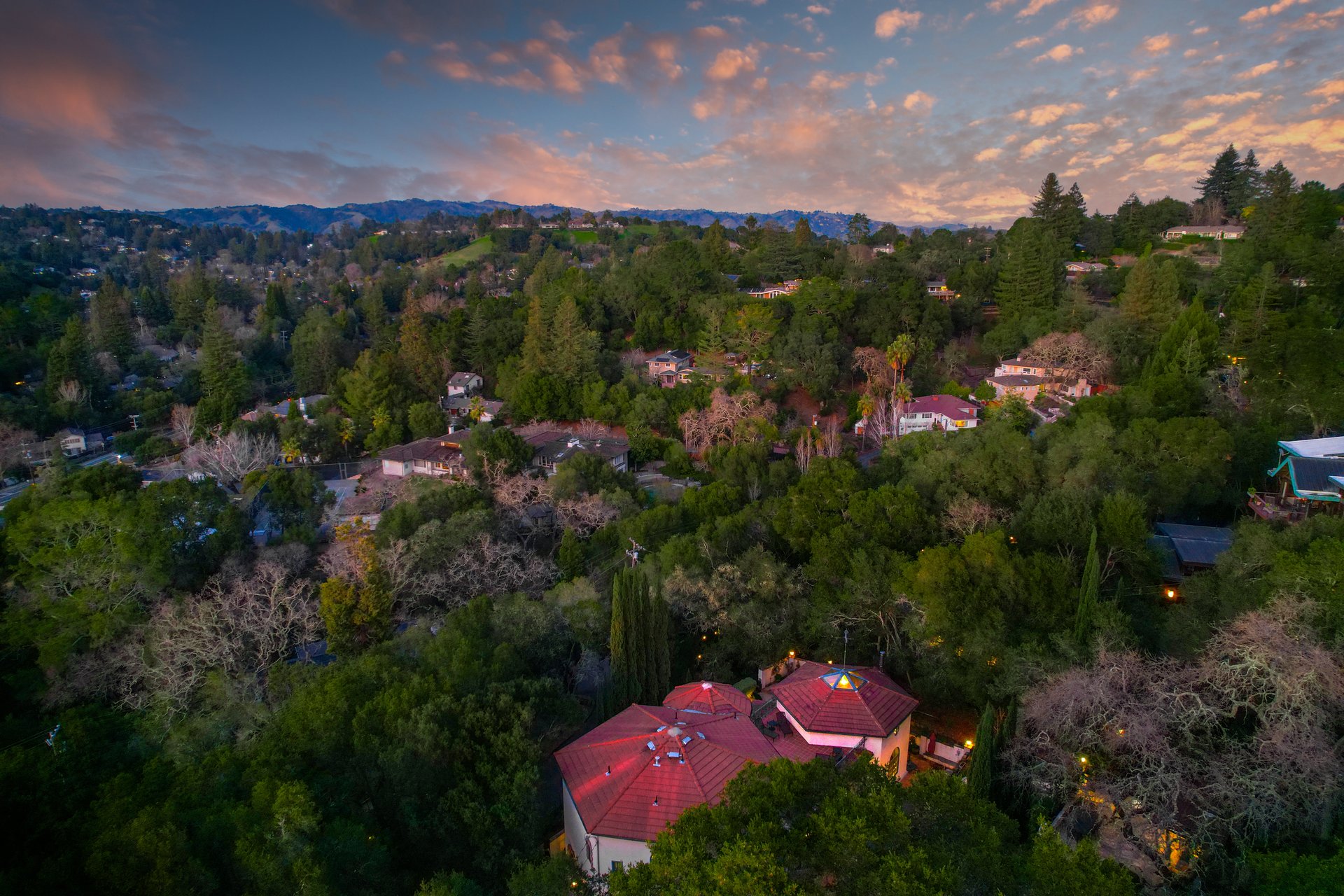
Impact of Top-Tier School Districts on Long-Term Value
High-ranking schools act as a market hedge, ensuring prices hold even during downturns. Families always pay a premium for educational excellence when Buying a Luxury Home in the East Bay: A Complete Guide.
Districts like San Ramon Valley or Acalanes drive intense bidding wars. The correlation between test scores and property appreciation is a proven financial win.
Architectural Trends and High-Demand Property Features
Beyond the zip code, the specific physical assets of a property now define its ultimate market standing.
Acreage Estates and Vineyard Properties
Private-label vineyards are the ultimate status symbol here. Buyers want to produce their own wine. It defines prestige in Contra Costa County.
Professional equestrian facilities add significant value. Stables and arenas are top priorities. Outdoor living remains the main focus.
Feature | Luxury Tier | Ultra-Luxury Tier | Value Driver |
|---|---|---|---|
Private Vineyard | Hobby plots | Sustainable yields | Status |
Equestrian | Basic stable | Pro arenas | Land utility |
Infinity Pool | Heated pool | Zero-edge views | Aesthetics |
Smart Security | App cameras | Biometric systems | Privacy |
Guest House | Cottage | Detached villa | Space |
Modern Design Aesthetics and Golf Course Living
Modern designs focus on natural light and views. Floor-to-ceiling glass is now the standard. It merges indoor and outdoor spaces perfectly.
Sustainable materials are no longer a niche request. Eco-conscious luxury is the new baseline for high-end builds.
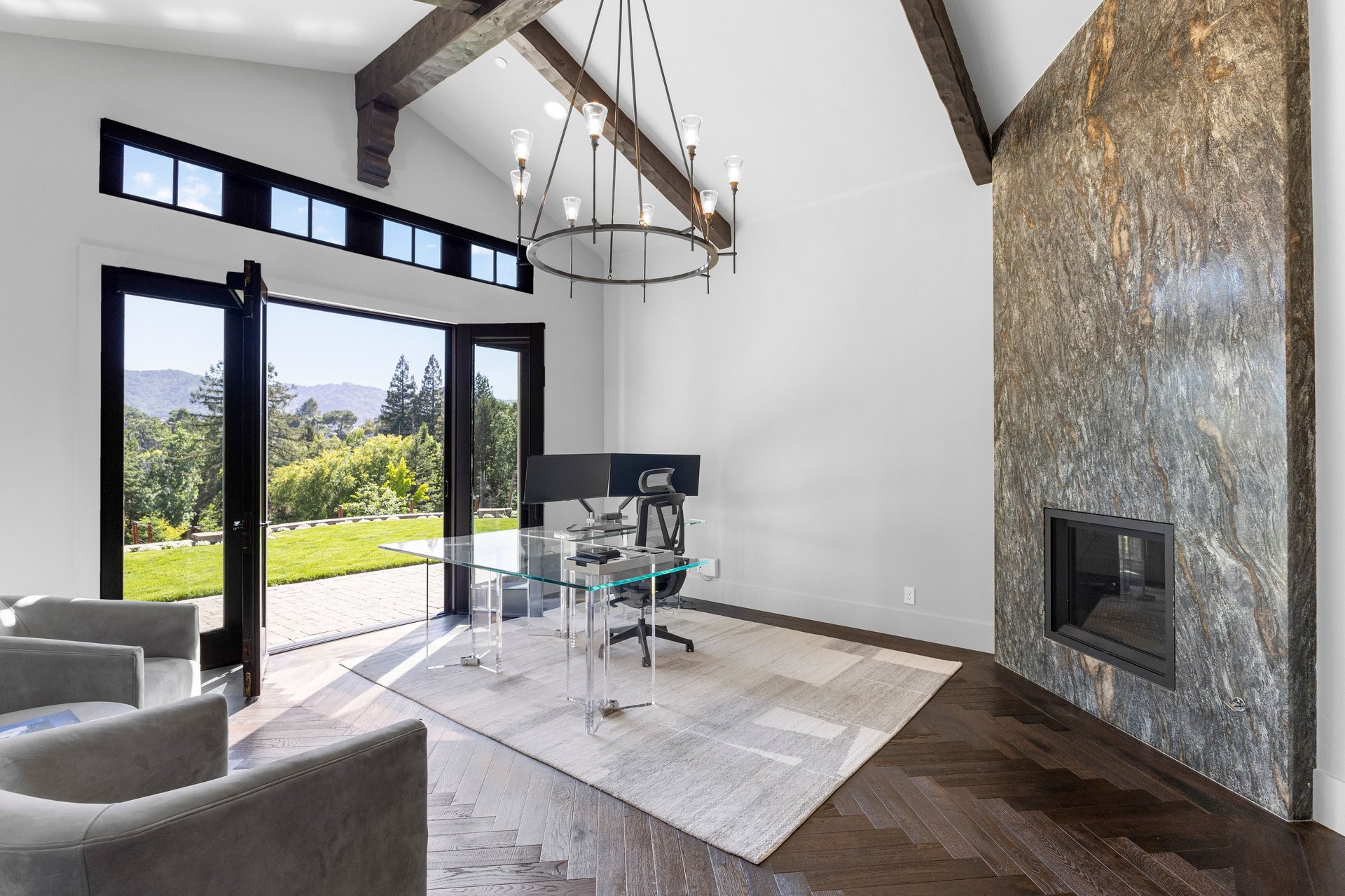
Championship course living offers major lifestyle draws. Direct fairway access remains a primary attraction for elite buyers.
Smart technology is the backbone. Centralized systems control everything seamlessly.
Mastering the High-Stakes Luxury Acquisition Process
Buying at this level requires more than just a large bank account; it requires a tactical approach.
Leveraging Advisors for Off-Market Opportunities
Pocket listings dominate the top 1% of the market. Public platforms frequently miss the best inventory. You need a specialized advisor with deep local roots to find these gems.
Discretion is the primary goal here. High-value sellers often avoid the public spotlight entirely.
Accessing these deals requires verified proof of funds. Strong relationships open doors in this circle.
Valuation Factors Beyond the Price Tag
Identify view corridors and total privacy. These are the primary drivers of regional value in the hills.
Architectural pedigree is a massive factor. A home designed by a famous name holds value better.
Unique site characteristics impact future resale. Land scarcity in prime zones is a hard reality.
Financial and Zoning Nuances for Multi-Million Dollar Assets
Address local tax implications early. Hillside building restrictions can complicate renovations significantly for new owners.
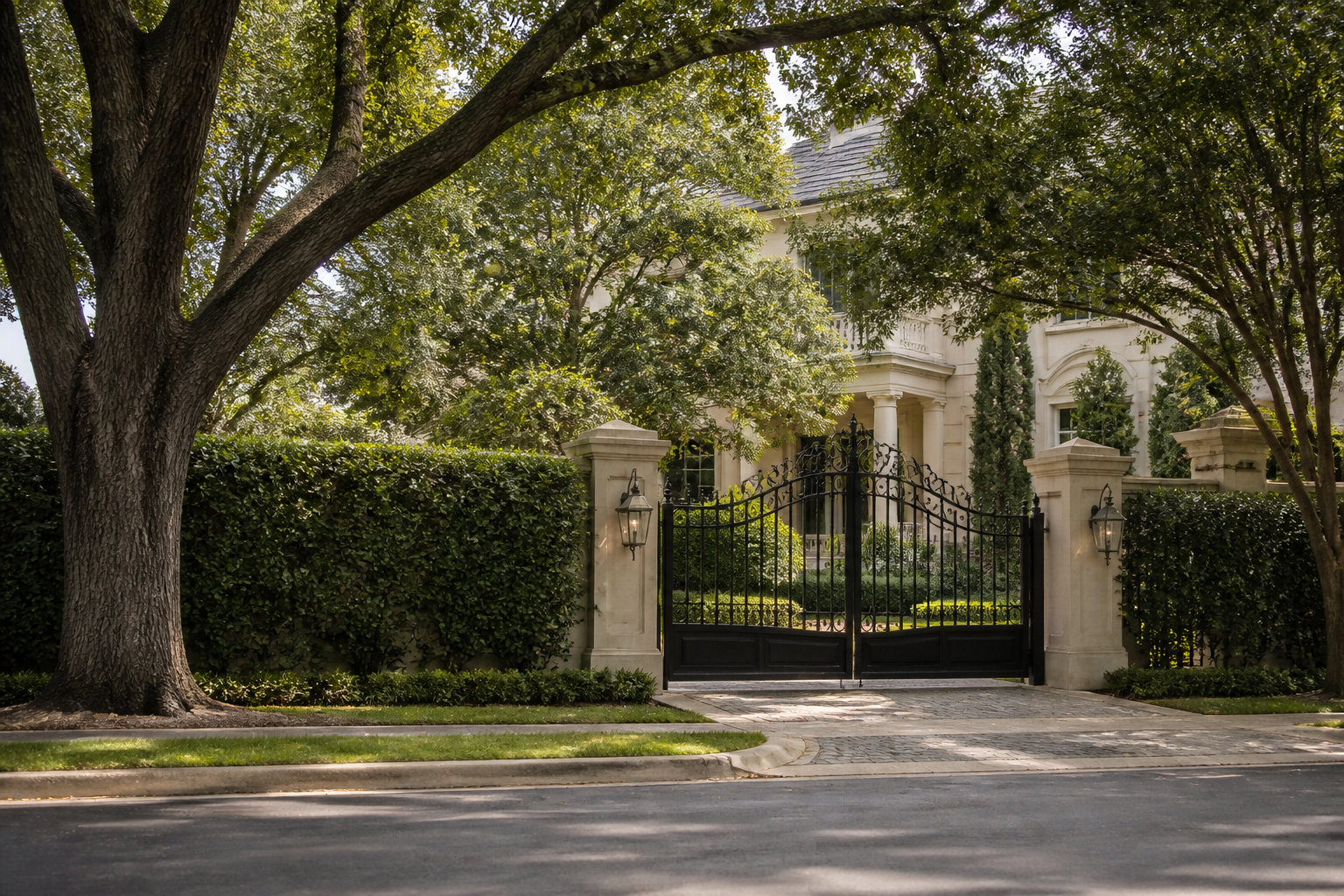
Logistical challenges are part of the game. Buying multi-million dollar estates involves complex due diligence processes.
Watch future infrastructure projects. New transit or parks can shift neighborhood desirability fast.
Securing a premier estate in the East Bay requires balancing architectural heritage in Piedmont with the private acreage of Alamo. By leveraging specialized advisors for off-market access and prioritizing move-in-ready assets, you ensure long-term wealth preservation. Start your journey today to claim your sanctuary in California's most resilient luxury real estate market.
FAQ
What defines the luxury real estate market in the East Bay?
The luxury segment in the East Bay, primarily encompassing Alameda and Contra Costa counties, typically begins at a $2 million entry point. High-net-worth individuals are drawn to this region for its unique balance of expansive acreage, elite school districts, and proximity to major tech hubs like Silicon Valley and San Francisco.
Current trends show a significant demand for "sanctuary" features, including dedicated home offices, private gyms, and multi-acre buffers. Properties in prestigious enclaves like Alamo, Piedmont, and Blackhawk often exceed $12 million, reflecting the area's status as a premier destination for generational wealth.
Which specific East Bay neighborhoods offer the most prestige?
Four primary enclaves set the gold standard for luxury in the region. Blackhawk is renowned for its 24/7 manned gates and championship golf culture, while Alamo offers sprawling estates with equestrian trails. Both provide unparalleled privacy and security for high-profile residents seeking seclusion.
For those prioritizing architectural heritage and urban proximity, Piedmont features unmatched historical estates, while Orinda offers a semi-rural charm with a mix of mid-century modern designs. These areas are highly valued for their top-tier school districts, such as Acalanes and San Ramon Valley, which act as a hedge for long-term property appreciation.
What architectural features are currently driving property values?
Modern luxury in the East Bay is defined by seamless indoor-outdoor living, often utilizing floor-to-ceiling glass to maximize natural light and views. High-demand assets include private-label vineyards and professional-grade equestrian facilities, which serve as ultimate status symbols in Contra Costa County.
Sustainable building materials and smart home technology have also become standard requirements. In the ultra-luxury tier, features such as infinity pools, sophisticated smart security systems, and expansive guest houses are essential components that distinguish top-tier estates from standard luxury offerings.
How can I access off-market luxury listings in this competitive region?
In the top 1% of the market, many of the most desirable estates are sold as "pocket listings" to maintain seller discretion. Accessing these private opportunities requires a specialized advisor with deep local roots and established relationships within the luxury brokerage community.
Prospective buyers must typically provide verified proof of funds to secure private viewings. Working with well-connected specialists from firms like Compass or Sotheby’s is crucial for navigating these high-stakes acquisitions and identifying valuation factors, such as view corridors and architectural pedigree, that are not always apparent in public data.
What financial and zoning factors should luxury buyers consider?
Acquiring multi-million dollar assets involves complex due diligence, particularly regarding local tax implications and hillside building restrictions. In areas like the Inner East Bay, strict zoning can significantly impact the feasibility of renovations or expansions, making expert guidance essential during the inspection period.
Buyers should also evaluate future infrastructure projects and land scarcity in prime zones. Because the market is fueled by the robust local tech and AI economy, property values remain resilient, but understanding these logistical nuances is key to ensuring a sound long-term investment.