Alamo and Danville offer two distinct versions of East Bay luxury, with median home prices ranging from $1.45 million to $1.85 million. While one community prioritizes expansive horse-zoned estates and total seclusion, the other thrives on a walkable downtown social hub where children enjoy early independence. Choosing the wrong neighborhood often leads to unexpected frustration over car-dependent routines or restrictive lot sizes.
This guide breaks down the financial realities of property taxes and HOA fees to help you decide which community fits your lifestyle. We will compare zoning laws, school cultures, and commute impacts to ensure your next move aligns with your long-term goals.
Alamo vs Danville Housing Market Realities
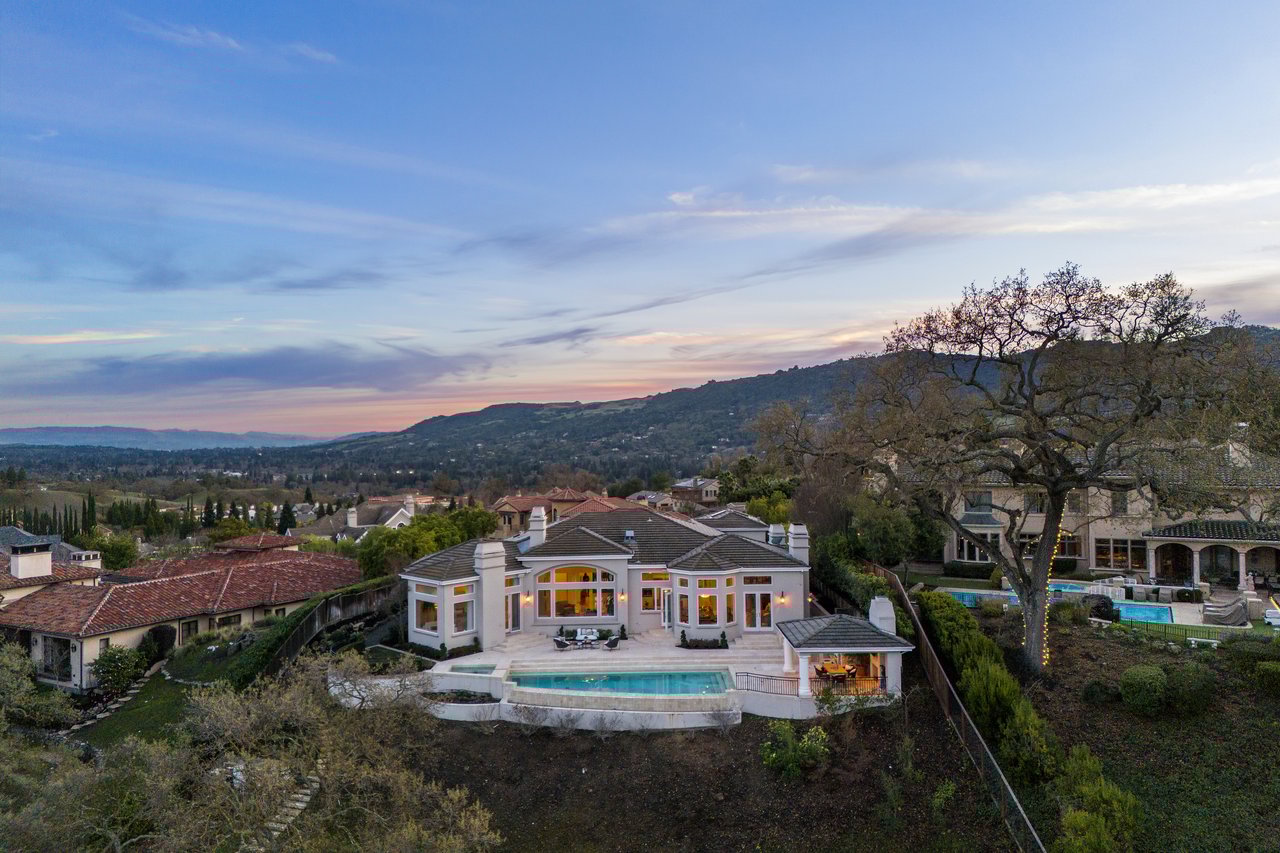
Alamo entry points hover around $1.85M with sprawling horse-zoned lots, while Danville offers a $1.45M average in traditional suburban settings. Resale values remain robust near Danville’s walkable core and Alamo’s private Westside estates.
Moving from general market trends to the specific soil requires a look at what your money buys in terms of acreage and legal rights.
Median Prices and Zoning for Horse Properties
Alamo entry points sit near $1.85M, significantly higher than Danville's $1.45M average. These figures filter the buyer profile for each town. Budget determines your daily surroundings.
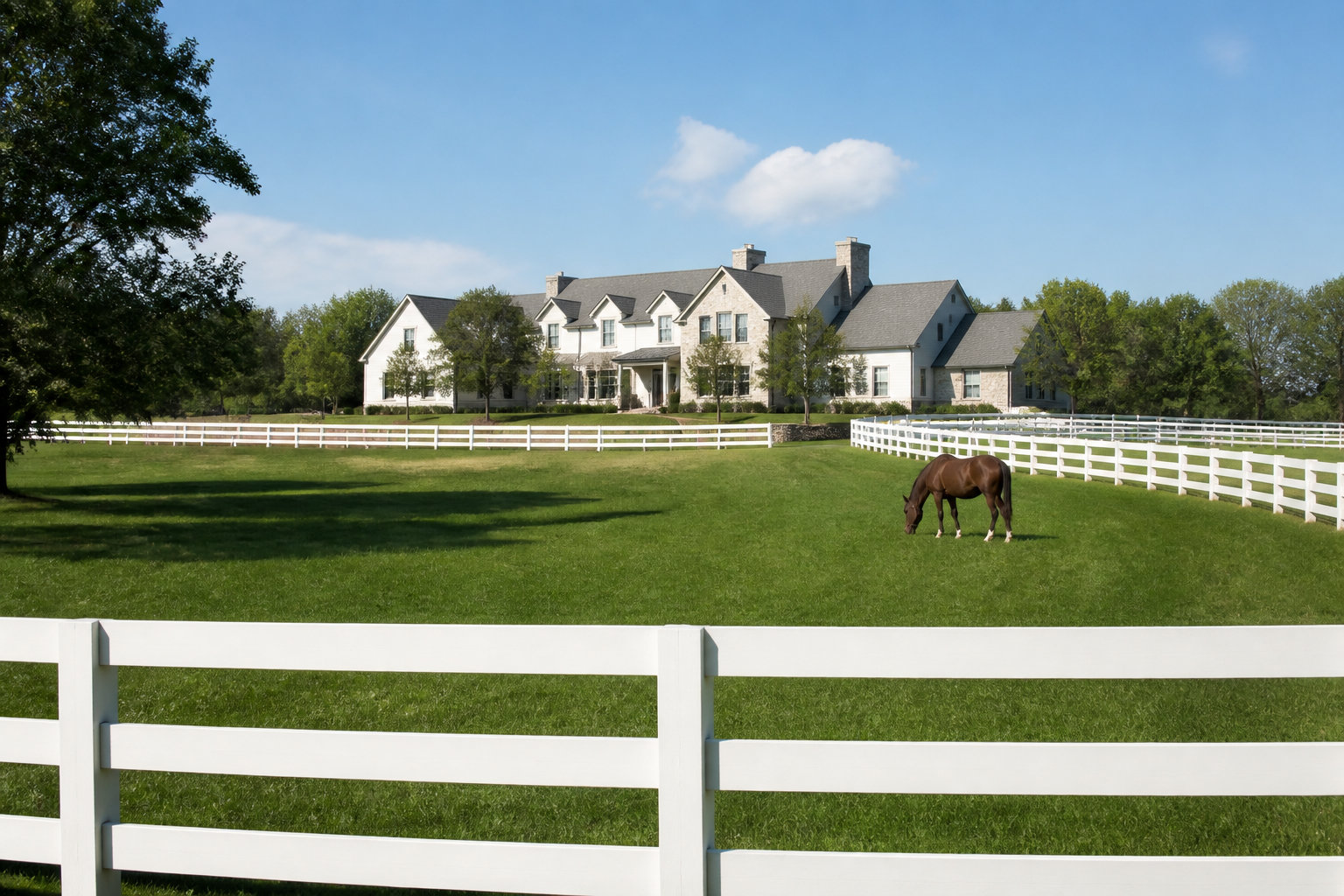
Alamo offers unique A-2 zoning for horse properties and expansive acreage. Danville features denser suburban lots with smaller footprints. These land-use regulations impact the physical feel of neighborhoods.
Resale trends for 2026 look promising. Demand remains steady for these specific micro-markets.
Financial Breakdown of Carrying Costs and Fees
Property tax implications weigh on East Bay homeowners. Local assessment differences often surprise new buyers. Understanding these nuances prevents unexpected financial strain after moving in.
Country club memberships and HOA fees alter monthly budgets. Luxury builds in gated areas carry higher recurring costs. These expenses maintain high-end community standards.
Alamo typically sees a higher price per square foot. Danville buyers often find more interior space. Luxury build metrics help investors compare the true value of each property.
Metric | Alamo | Danville | Key Difference |
|---|---|---|---|
Median Entry Price | $1.85M | $1.45M | $400k gap at entry |
Typical Lot Size | 0.5+ acres | 0.25 acres | Alamo offers double space |
Zoning Type | Agricultural/A-2 | Residential | Alamo allows horses |
HOA/Club Fees | Private Club | $472 Median HOA | Danville uses HOAs |
Price per Sq Ft | Higher | Lower | Danville offers volume |
Walkable Downtown vs Private Resort Living
Deciding where to settle depends on whether you crave social buzz or total seclusion.
Danville feels like a real town with its walkable core. In contrast, Alamo offers an exclusive atmosphere. It prioritizes private, gated living over public accessibility.
Weekly farmers markets and summer concerts define Danville. These frequent gatherings build a strong community vibe. Local families rely on these events for social connection.
Alamo estates offer superior privacy compared to traditional suburban layouts. Residents there value quiet seclusion. They prefer vast, quiet acreages over high neighborhood foot traffic.
Micro-Neighborhood Value Propositions and Privacy
Pockets like Westside Alamo and Danville Station offer different perks. One prizes privacy and accessibility to trails. The other focuses on proximity to downtown shops.
Choosing between hill views or walking to coffee is vital. This decision shapes your daily weekend routine. It often dictates long-term satisfaction with your home location.

Saturdays differ greatly for residents in each area. An Alamo equestrian enjoys private trails. Meanwhile, a Danville resident walks to Hartz Avenue for brunch and shopping.
- Danville: Vibrant, walkable downtown hub.
- Alamo: Private, resort-style luxury estates.
- Space: Alamo offers much larger lots.
- Social: Danville focus on community events.
Are the School Experiences Truly Identical?
Beyond the social scene, the shared school district often leads families to believe the experience is identical, but the reality is more nuanced.
School Culture and Life-Stage Suitability
Both towns operate under the San Ramon Valley Unified School District. This district boasts high performance metrics, including a 92% AP exam pass rate. Families flock here for these academic accolades.
School culture shifts from Danville’s integrated suburban feel to Alamo’s estate-oriented circles. Living miles apart in Alamo changes how students bond compared to Danville's proximity. This distance impacts social development significantly during formative years.
Elementary needs favor Danville's closeness. High schoolers in Alamo often prefer the privacy of large estates.
Kid Independence and Weekend Routines
Danville kids often bike to friends' houses or Hartz Avenue alone. Alamo remains largely car-dependent due to its sprawling layout. Independence simply comes earlier for children living near the vibrant town center.

Youth sports like Mustang Soccer or Diablo Scorpion Lacrosse dominate weekends. Both towns offer outdoor activities and hiking, but the logistics of reaching trails vary. Alamo residents often start hikes from their backyards.
Early independence in Danville builds confidence. It fundamentally shapes how local teens interact with their environment before driving.
3 Practical Realities of East Bay Commuting
Choosing between these towns often comes down to your tolerance for the 680 corridor. While Alamo sits slightly closer to Oakland, both communities face a demanding trek toward San Francisco or Silicon Valley. You will likely spend significant time in traffic.

Evaluate BART access at Walnut Creek and Dublin/Pleasanton stations. Mention parking availability as a major factor for daily commuters using public transit. Dublin/Pleasanton offers daily permits for $3.40, but spaces fill up fast.
Suggest peak-hour transit trials. Prospective buyers must experience the daily drive impact before signing a mortgage. Better to know the grind now than regret it later.
Wildfire Hazard Zones and Insurance Impacts
Address wildfire risk profiles for hillside properties. Both towns face insurance challenges due to their proximity to open space. CAL FIRE maps frequently classify these areas as High or Very High Fire Hazard Severity Zones.
Discuss the 2026 insurance market realities. Getting coverage for homes in high-risk zones requires specific mitigation steps and higher premiums. Many traditional carriers have pulled back, making the California FAIR Plan a frequent, albeit expensive, fallback.
Outline necessary mitigation steps for homeowners. Clearing brush and upgrading vents are now mandatory for maintaining property coverage. Compliance with the "Zone Zero" rule regarding non-combustible fencing is becoming a standard requirement for policy renewals.
- Create a 100-foot defensible space buffer around all structures.
- Install ember-resistant mesh on attic and crawlspace vents.
- Replace wood fencing attached to the home with metal or masonry.
- Remove dead vegetation and overhanging tree limbs regularly.
Choosing between Alamo’s $1.85M private equestrian estates and Danville’s $1.45M walkable social hub depends on your lifestyle priorities. Test your commute and verify zoning rules today to secure your future in these premier East Bay communities. Your ideal California home awaits where luxury meets local connection.
FAQ
How do the housing markets compare between Alamo and Danville?
The primary difference lies in the entry point and the type of property you are acquiring. In Alamo, the entry-level price for a single-family home typically starts around $1.85M, often featuring expansive lots and a high degree of privacy. Danville offers a slightly more accessible entry point with a median price of approximately $1.45M, providing a broader range of housing options including townhomes starting near $850,000.
Is it possible to find properties zoned for horses in these communities?
Alamo is the preferred destination for equestrian enthusiasts due to its unique land-use regulations. Many properties in Alamo are situated on half-acre to five-acre lots, with specific A-2 agricultural zoning that permits livestock and horse stables. While Danville offers beautiful suburban estates, its higher density generally precludes the sprawling horse-zoned acreage found in the Westside Alamo pockets.
What should I expect regarding HOA fees and country club costs?
In Danville, the median monthly HOA fee is approximately $472, though this can climb above $600 in luxury gated enclaves like Blackhawk to cover private security and road maintenance. If you are considering a country club lifestyle, initiation fees at local clubs can range from $2,500 to $25,000, with monthly dues often exceeding $1,000 depending on whether you opt for social or full golf privileges.
How does the social scene differ for residents in each town?
Danville is defined by its community vibe and a walkable downtown centered around Hartz Avenue, hosting frequent farmers markets and outdoor concerts. Life in Alamo is more secluded and estate-oriented, where social gatherings often take place in private settings, such as backyard resort-style pools or exclusive country clubs, catering to those who prioritize privacy over public foot traffic.
Are the school experiences the same since they share a district?
While both towns benefit from the high performance metrics of the San Ramon Valley Unified School District, the daily experience for students varies. Danville’s layout encourages early independence, allowing kids to bike to friends' houses or downtown shops. In contrast, Alamo’s sprawling estates often make students more car-dependent, though they enjoy immediate access to hiking and mountain biking trails.
What are the practical realities of commuting from the East Bay?
Commuting to San Francisco or Silicon Valley can be demanding from both locations, though Alamo offers a slight time advantage for those heading toward Oakland. Accessing BART via the Walnut Creek or Dublin/Pleasanton stations is common, but parking availability can be a challenge during peak hours. We highly recommend a peak-hour transit trial to understand the true impact on your daily schedule.
How do wildfire risks affect insurance for hillside homes?
Both communities face insurance challenges due to their proximity to open spaces and hillsides. In high-risk zones, traditional carriers may be limited, leading some homeowners to the California FAIR Plan for basic coverage. To maintain property coverage and potentially lower premiums, homeowners are increasingly required to "harden" their homes with fire-resistant materials and maintain strict defensible space around the structure.